
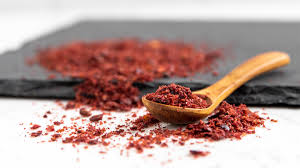
Spices play a decisive role in shaping the flavors and aromas of global cuisine, elevating ordinary dishes into memorable ones. Among the many, two stand out for their depth: sumac and cloves. While one brings a tangy brightness to the plate, the other offers deep warmth and comfort. Together, they represent a beautiful balance of contrast and harmony in the culinary arts.
Understanding Sumac:
Sumac spice is a crimson-colored spice made from dried berries of the wild sumac plant. Widely used across Middle Eastern and North African cuisines, it has a uniquely citrusy profile.
Flavor Profile
Sumac delivers:
- A lemon-like tang
- Subtle fruity notes
- Gentle earthiness
Culinary Uses
Sumac shines brightest when sprinkled just before serving. It is commonly used on:
- Roasted vegetables and meats
- Salads like fattoush
- Grilled seafood
- Hummus and dips
- Rice and grain bowls
It also pairs beautifully with olive oil and herbs in marinades or dressings. Sumac enhances flavors without overpowering, offering a refreshing lift to savory dishes.
Nutritional & Traditional Benefits
Sumac has been valued historically not only for flavor but also for its potential health benefits. It is known to contain antioxidants used in herbal preparations for its cleansing properties.
Cloves:
Cloves are the dried flower buds of the clove tree, widely used in Asian and European cuisines. Their bold aroma and cozy warmth make them a staple in countless kitchens.
Flavor Profile
Cloves have:
- A sweet, woodsy warmth
- Strong, aromatic intensity
- Slight bitterness when overused
Culinary Uses
Cloves bring depth and richness to both sweet and savory dishes. They are popular in:
- Curries and stews
- Rice and pilaf dishes
- Baked goods, especially holiday desserts
- Warm beverages like chai and mulled drinks
- Marinades and pickling blends
Traditional & Wellness Applications
Rich in naturally occurring compounds, cloves have long been appreciated in traditional wellness practices. They have been used in various cultures for their warming and soothing properties, often in teas and aromatic blends.
Sumac & Cloves in Harmony
Although sumac and cloves differ in profile, they both have deep and warming flavors; they complement many of the same cuisines. They can be used together in creative ways, such as:
- Spice rubs for lamb or poultry
- Savory rice dishes layered with citrus and warm spice.
- Roasted root vegetables with a hint of acidity and warmth
The key is balance: sumac is best used at the end for a fresh finish, while cloves are typically introduced during cooking to infuse their warmth.
Tips for Using
To get the most out of these spices:
- Store properly in airtight containers away from heat and light
- Buy in small quantities to preserve freshness.
- Toast cloves lightly before grinding to enhance aroma
- Add sumac at the end to maintain its bright flavor.r
With proper care, both spices will retain their qualities and add depth to countless meals.
Regional Culinary Traditions
Both spices hold deep cultural significance and are cornerstones in many traditional dishes worldwide.
Sumac in Culinary Heritage
- Middle Eastern Cuisine: A key ingredient in za’atar blends, fattoush salads, and grilled meats
- Turkish Cooking: Sprinkled on kebabs and incorporated into marinades
- Mediterranean Dishes: Used to brighten roasted vegetables and seafood
Sumac’s presence in these cuisines reflects a long-standing appreciation for acidity and balance in flavor composition, especially in warm-weather regions where bright, fresh tastes uplift dishes.
Cloves Across Global Kitchens
- South Asian Cuisine: Central to garam masala, biryani blends, and masala chai
- African Dishes: Utilized in stews, rice dishes, and historic spice trade recipes
- European Traditions: Featured in baked goods, pickling blends, and winter beverages
Cloves have historically symbolized warmth and hospitality, especially in colder climates and on festive occasions.
Cooking Techniques for the Best Flavor
To fully experience these spices, understanding proper technique is essential.
For Sumac
- Sprinkle as a finishing seasoning to maintain its citrus brightness
- Combine with olive oil to create a tangy drizzle.
- Use as a dusting on meats, dips, and roasted vegetables.
Avoid cooking sumac for extended periods, as prolonged heat can dull its flavor.
For Cloves
- Infuse whole cloves in soups, broths, or teas, then remove before serving
- Lightly toast before grinding to deepen aroma
- Add early in cooking to help its warmth permeate the dish.
Cloves can be pungent, so a small amount goes a long way.
Storing and Preserving Freshness
Maintaining the integrity of spices ensures a consistent aroma and taste.
- Store in airtight jars
- Keep away from sunlight, moisture, and heat.
- Buy whole cloves when possible for longer potency.
- Replace ground spices regularly for the best flavor impact.
Proper storage transforms everyday cooking into a more aromatic and satisfying experience.
Modern Culinary Applications
Creative cooks today are finding new and inventive uses for these ancient spices.
- Sumac Butter Spread: Blend sumac with softened butter for a citrus-herb compound spread
- Clove-Infused Vinegar or Honey: A fragrant addition to dressings and glazes
- Sumac-Rubbed Grilled Fish: Adds tang without overpowering delicate flavors
- Spiced Oat Porridge: A pinch of clove lends warm depth to breakfast grains
These modern adaptations honor tradition while embracing contemporary tastes.
Cultural Symbolism and Traditional Practices
Both spices carry symbolic meaning in many societies.
- Sumac has been associated with cleansing, vitality, and festive gatherings. In some regions, it is used during celebrations as a symbol of health and prosperity.
- Cloves have long been connected to warmth, protection, and hospitality. Their presence in holiday meals and ceremonial dishes highlights their cultural importance.
Such symbolism enhances our appreciation of these spices, reminding us that cooking is not only nourishment but also tradition and connection.
Final Reflection
Sumac and cloves represent two ends of the flavor spectrum: fresh acidity and deep warmth. Yet together, they share a bridge — a long heritage of enhancing food and enriching the culinary experience. Their roles in history and their continued adaptation in modern cooking make them essential elements. Adding sumac and cloves to your kitchen not only enhances taste but also invites exploration into your kitchen.