
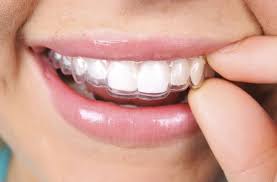
If you’ve ever looked in the mirror and wished your teeth were just a little straighter, you’re not alone. Lots of people feel the same way—whether it’s because of a slightly crooked tooth that catches the light in every photo or a bite that makes eating feel a bit awkward. Clear aligners have become a go-to solution for many people who want a straighter smile without the brackets and wires that come with traditional braces.
But with so many aligner systems available today, it can feel overwhelming trying to choose the “best” one. The good news? You don’t need a dental degree to make a smart decision. A little knowledge goes a long way, and that’s exactly what this guide is here to offer.
Why Clear Aligners Have Become So Popular
Clear aligners have grown massively in popularity over the past decade. A lot of it comes from how seamless they are to integrate into daily life. They’re nearly invisible, removable, and surprisingly comfortable for most people. Instead of tightening wires, you simply switch to the next aligner set every couple of weeks—similar to updating software on your phone. It’s a small change that creates big progress.
Another reason they’re so common now is the rise of remote-friendly healthcare. People like having solutions that fit into their routines with minimal disruption. Aligners mirror trends we see in other industries too. For example:
- Just like food delivery apps let you eat well without leaving home…
- And ride-share platforms make transport easier without owning a car…
Aligner systems let you gradually improve your smile with less fuss, fewer appointments, and more control over your time.
They’re also designed with modern biomechanics in mind—techniques based on the same principles you’ll find in orthodontics, a field that’s been studied for more than a century.
How Clear Aligners Actually Work (Without the Complicated Terms)
At their core, clear aligners gently push your teeth into better alignment. You’ll wear a series of snug, custom-made trays that guide your teeth into place. Each set moves your teeth by tiny increments—imagine nudging a piece of furniture across a living room floor slowly, almost without noticing.
Here’s a simple breakdown of what usually happens:
- Initial Scan or Impression
Your dentist creates a digital model of your teeth. Think of it as a 3D blueprint. - Treatment Plan
Computer software maps out exactly how your teeth should move over time. This is one of the coolest parts—you can often preview your future smile before treatment even starts. - Custom Trays
A lab fabricates aligners tailored to your teeth and your teeth only. It’s like having a suit or dress tailored specifically for your body, rather than buying something off the rack. - Progression Phase
Every couple of weeks, you wear the next aligner set. Each one shifts your teeth a bit more. - Finishing Touches
At the end, you may get refinements or retainers to lock in your result.
It’s a blend of engineering, health science, and precision craftsmanship—sort of like architecture for your smile.
What to Consider When Choosing the Right Clear Aligners
With so many options available, it helps to think about the decision the same way you’d approach buying a car or choosing a fitness program. The “best” choice depends on your lifestyle, goals, budget, and how much guidance you want along the way.
Here are the main things to compare:
1. The Level of Professional Support You’ll Get
Some aligner companies offer direct-to-home systems, while others require working closely with a dental professional. The latter often leads to more predictable outcomes, especially if you:
- Have crowding or spacing issues
- Need bite correction
- Want a highly tailored plan
Professional supervision is similar to having a personal trainer rather than following a video workout. Both can work, but expert guidance often leads to better results.
2. The Complexity of Your Case
Mild alignment issues—like slightly crooked front teeth—may not require advanced features. But more complex problems, such as rotated teeth or bite imbalance, need an aligner system known for clinical accuracy and precision movements.
It’s like choosing between basic and performance-level running shoes: the right pair depends on how far and how fast you’re planning to go.
3. Comfort and Material Quality
Not all aligners feel the same. Some use softer, more flexible plastic; others use firmer materials that offer more precise movement. Comfort matters because you’ll be wearing them for most of the day.
If you’ve ever switched from a low-quality pillow to a well-designed memory foam one, you already know how the right materials improve your daily experience.
4. Expected Treatment Time
Most clear aligner treatments last between 6 and 24 months. Faster isn’t always better—alignment requires time to protect your teeth and gums—but a clear timeline helps you set expectations.
5. Budget and Payment Options
Costs can vary widely. Professional-grade clear aligners may cost more upfront, but they often include consultations, adjustments, and refinements. Make sure you understand:
- Total treatment cost
- What’s included
- Whether follow-up visits are covered
- Retainer costs after treatment
It’s similar to choosing a mobile plan: the cheapest option isn’t always the best in the long run if it lacks essential features.
When You Should Choose Professionally Guided Aligners
If you’ve been browsing your options and feeling unsure, here’s a simple rule of thumb:
Choose dentist-supervised aligners if you want accuracy, predictability, and long-term smile stability.
Dentists can catch issues early, adjust your treatment if needed, and ensure your teeth and gums stay healthy during the process. This extra layer of care can be the difference between a good result and a truly great one.
In the middle of your research, you may eventually come across trusted local options—one of which includes clear teeth aligners in Sydney. This can be helpful for anyone who prefers in-person oversight, regular check-ins, and a carefully monitored smile transformation.
Tips to Make Sure You Get the Best Results
Once you’ve chosen your aligners, getting great results comes down to a combination of following instructions and staying consistent. Here are some practical tips:
- Wear them for the recommended hours each day (usually around 20–22 hours).
- Remove them only for eating and drinking anything other than water.
- Clean them regularly using gentle soap or aligner-cleaning solutions—not hot water.
- Store them safely in a case to avoid accidental damage.
- Stick to your appointment schedule if you’re working with a dental professional.
Think of your aligner journey like training for a marathon: steady, daily habits make all the difference.
If you want to dig deeper into how teeth move and why alignment matters, the field of dentistry offers a wealth of background knowledge that explains the science behind modern orthodontic tools.
Final Thoughts: Your Smile, Your Choice
Choosing the best clear aligners doesn’t have to feel complicated. Start by understanding your needs, then compare options based on support, comfort, treatment time, and budget. The goal is to find the choice that fits naturally into your routine while giving you confidence in the outcome.
A straighter smile can influence how you communicate, connect, and show up in the world. And whether you’re preparing for a new job, celebrating a milestone, or simply wanting to feel more confident in photos, alignment treatments can be a meaningful investment in yourself.
If you need help deciding, consider booking a consultation with a dental professional who can guide you toward an option tailored specifically for your smile.