
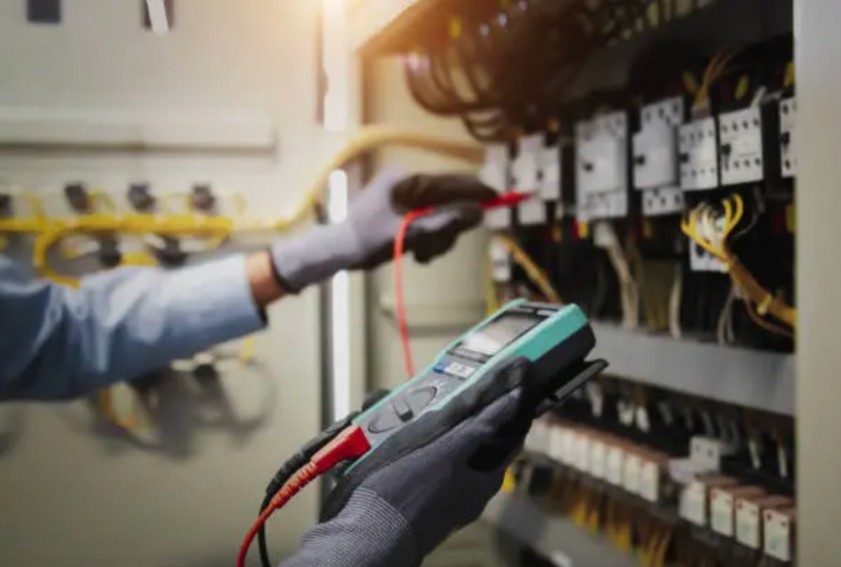
In the context of IoT devices and interconnected smart technologies, data management and electrical consistency in a business are fundamental and cannot be compromised. Smart factories, logistics centers, renewable energy hubs, and anything labeled as “high-tech” uses uninterrupted electricity and safeguarded infrastructure to maintain a competitive smart edge within the market. Surge Protection aids in shielding systems respectively to voltage spikes or temporary spikes in electricity and even anomalies in powering systems.
In this guide, we will discuss in detail the modern electrical systems and the need for surge protection in relation to the business-to-business stakeholders who need reliable and committed proactive protection measures. As an electrical engineer, project manager, systems integrator, or even a procurement officer, proper surge risk assessment paired with streamlined protective devices will fortify business efficiency and operational peace in future incidents. Surge protection suppliers with quality devices are readily available to bridge protection gaps for loss of organizational efficiencies post failure events.
The Need of Surge Protection in the Current Globalization Era
In simpler terminology, surge protection devices are responsible for mitigating electrical overload spikes coming from outside, be it lightning strikes or anything that can transmit electricity to destroy sensitive electronic devices. Although dangerous electrical spikes exist, they can be harmful. Microsecond surges can ensure temporary pauses within processes such as machinery function or a critical operational system to bring up and shut down, and even operational stand still.
As businesses expand with the help of automation, IoT, AI-driven analytics, and cloud-based ecosystems, their reliance on sensitive electronics increases. Systems are no longer standalone; they are integrated, interwoven, and perpetually connected, increasing their susceptibility to power surge damages.
Surge Protection ensures any unwanted spike is either redirected or absorbed so that it will not reach or damage valuable equipment. Choosing the right surge protection supplier is essential for tailored, compliant protection systems, as either under or over protection can lead to serious loss.
Key Risks of Not Using Surge Protection
While disregarding surge protection may seem like a beneficial decision for costs, it can lead to dire consequences that can damage the business and its reputation. Below are the main worst-case scenarios stemming from insufficient surge protection.
- Destruction of High-Value Equipment: PLCs, control systems, network switches, and even energy meters are susceptible to damage from surge voltages.
- Expensive Downtime: Unscheduled downtime, especially for production or services, provides even greater challenges. Loss of equipment and services starts a destructive cycle driving increased costs, while a lack of control perpetuates increased downtime.
- Fire and Short-Circuit Risks: Exposed to uncontrolled surges, overheating systems can trigger overheating, electrical fires, and these, of course, carry with them significant risk.
- Surge-Related Warranty Voids: As with several manufacturers, surge damages without surge protection devices (SPDs) installed, lead to mounting warranty refusals.
- Data Loss and Corruption: Surge-related data loss in finance, logistics, or healthcare can lead to legal, operational, and customer trust issues.
Infrastructure design and risk management, both critical in safeguarding any organization, require considerations for surge protection. It is vital to approach them not just as an add-on, but a core component.
Types of Surge Protection Devices and Their Applications
SPDs, or surge protective devices, are split into categories in relation to their placement and installation in the electrical system. Knowing their functions helps in formulating tiered protection plans for the business that deal with surges at different levels.
Type 1 SPD
Installed at the main service entrance, Type 1 SPDs are placed in systems with external lightning protection. Used alongside external lightning protection, Type SPDs are useful in systems with external lightning protection, as they can mitigate direct surge energy.
Type 2 SPD
The most prevalent SPDs in industrial and commercial environments, Type 2s protect against surges caused by indirect lightning as well as internal switching operation residual surges. They are placed in distribution panels and act as secondary protectors against system-wide overvoltage propagation.
Type 3 SPD
Type 3 SPDs function best at the point of use, positioned by the equipment or at the workstations. These SPDs offer careful safeguarding of delicate equipment and are frequently used together with Type 2 SPDs for more thoroughly balanced defense strategies.
DC SPDs for Solar Systems
As with other renewable energy sub-sectors, the safeguarding of solar energy systems is increasingly more vital. DC SPDs for solar systems are meant to shield the PV arrays and inverters from lightning and switching surges, thus enhancing solar system reliability and improving return on investment.
Regardless of your industry – whether it is in telecommunications, energy, automation, or data infrastructure – it is vital that you engage with a surge protection supplier that appreciates the complexities of each case and can suggest the right protection devices and their setup.
How Surge Protection Supports Business Continuity
Online availability and system uptime for modern businesses is more than just vital, it is a top priority. A system that is offline for just a few minutes can incur significant losses. SPDs directly help to sustain operational continuity by:
- Protecting Capital Investments: Businesses invest heavily in industrial equipment, control systems, and IT infrastructure. SPDs help protect such equipment, thereby improving their lifecycle and reducing costs associated with repairs and replacements.
- Ensuring Safety Compliance: SPDs assist companies in fulfilling safety measures as well as insurance policies associated with their electrical systems.
- Reducing Maintenance Frequency: Devices show signs of aging less rapidly because of stable voltage levels, which lessens the need for outages.
- Boosting System Efficiency: In addition, equipment that has been protected from surges operates more reliably, has less unplanned downtime, and trips less often.
- Safeguarding Critical Data: In some industries, information has monetary value, and surge protection ensures the integrity of the storage devices and communication interfaces.
Working with a reliable surge protection supplier to adopt a protection scheme will enable your business to withstand foreseeable and unforeseen risks to your electrical infrastructure.
Choosing the Right Surge Protection Supplier for Your Business
Every supplier has their own level of expertise, which has a direct impact on the quality and level of personalization that they provide. For B2B buyers, the right surge protection supplier can mean the difference between thriving and systemic vulnerability.
Here are the highlights to note:
- Technical Proficiency: Are the recommended application-specific SPDs for AC, DC, data, and communication lines provided by the supplier?
- Customization Capabilities: Does the supplier provide tailored performance and branding alignment through OEM/ODM services?
- Standards and Certifications: Are the devices certified and tested with IEC/EN 61643 standards?
- Design and R & D Support: Provided assistance for schematic design, connection diagrams, and integration?
- Delivery and Lead Time Assurance: Are the production timelines met with quality control at every stage?
- After-Sales Service: Is there post-installation support and guidance?
If your business relies on seamless operations with a fully functional system over the long haul, a surge protection supplier with industry insight is a necessary partner.
Conclusion
With technology integrated into every segment of a business, safeguarding electrical and digital systems against surges is imperative. From managing a solar farm to designing an industrial control panel and upgrading smart building infrastructure, surge protection serves as a key foundation.
When businesses partner with a trusted surge protection supplier, they are able to implement a layered protection approach and counter risks to their assets. Doing so ensures a fortified operational future protected from losses.
Always be ready to manage risks and develop a more intelligent, secure infrastructure. In our world today, resilience begins with proactivity.