
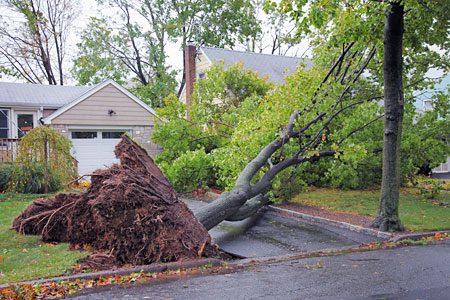
Cleaning up after a storm can be an overwhelming task for homeowners, with challenges like fallen trees, broken windows, and flooding. However, having a clear and safe plan can help you efficiently restore your property.
Safety First: Precautions Before You Begin
Before you even think about picking up a single piece of debris, your top priority must be safety. The environment after a storm is filled with hidden dangers that can cause serious injury.
Key Safety Measures
- Check for Electrical Hazards: Downed power lines are extremely dangerous. Assume any fallen line is live and stay far away. Contact your utility company immediately to report it. Inside your home, if there’s standing water, turn off the main power supply before entering flooded areas to avoid the risk of electrocution. If you’re unsure how to do this safely, call a qualified electrician.
- Beware of Gas Leaks: Storms can damage gas lines, leading to dangerous leaks. If you smell gas or hear a hissing sound, evacuate your home immediately and call your gas company from a safe distance. Do not use any electronics, light matches, or turn on light switches.
- Assess Structural Stability: Look for signs of structural damage like cracks in the foundation, sagging ceilings, or walls that appear to be bowing. If you have any doubts about the stability of your home, do not enter. It’s best to wait for a professional inspection.
- Wear Protective Gear: Always wear appropriate personal protective equipment (PPE). This includes sturdy, closed-toe boots to protect against nails and sharp objects, heavy-duty gloves to handle debris, a hard hat if there’s a risk of falling objects, and safety goggles to shield your eyes. If you suspect mold, an N-95 respirator is essential.
Assessing and Documenting the Damage
Once you’ve confirmed it’s safe to be on your property, the next step is to thoroughly assess and document the extent of the damage. This documentation is crucial for your insurance claim.
How to Document Damage
- Take Photos and Videos: Use your smartphone to capture extensive photographic and video evidence. Start with wide shots of the entire property to show the overall impact, then move to close-ups of specific damaged areas. Document everything, both inside and outside your home, including damage to the roof, windows, siding, and personal belongings.
- Create a Detailed Inventory: Make a list of all damaged or destroyed items. For each item, note its description, estimated age, and replacement cost if possible. If you have receipts for major purchases, gather them to support your claim.
- Look for Hidden Damage: Some storm damage isn’t immediately obvious. Check for water stains on ceilings and walls, which can indicate roof leaks. Inspect your attic for moisture and your foundation for new cracks. Gently press on drywall to check for softness, a sign of water absorption.
The Cleanup Process: A Step-by-Step Guide
With your initial assessment complete, you can begin the cleanup process. Tackle one area at a time to avoid feeling overwhelmed.
Debris Removal
Start by clearing away loose debris from your yard and the exterior of your home. Separate materials as you go—piling branches in one area, building materials in another, and so on. This will make disposal easier. Be cautious when lifting heavy objects and ask for help to avoid injury.
Water Removal
If your home has been flooded, removing the water as quickly as possible is critical to prevent mold growth and further structural damage.
- Small Areas: For minor flooding, a wet/dry vacuum can be effective.
- Large-Scale Flooding: For significant amounts of water, you may need to rent a sump pump. Place it in the lowest point of the flooded area to pump the water out.
- Drying Out: After the water is removed, use fans and dehumidifiers to help dry the space completely. Open windows and doors to improve air circulation, but only if it’s safe and the weather permits.
Mold Remediation
Mold can begin to grow within 24-48 hours in a damp environment. It poses health risks and can cause significant damage to your property. If you find small patches of mold on hard surfaces, you can often clean them with a solution of water and detergent. However, if the mold covers a large area (more than 10 square feet) or is present in your HVAC system, it’s time to call in professionals. For extensive issues, searching for water damage restoration services in Salt Lake City or your local area will connect you with certified experts.
Navigating Insurance Claims
Filing an insurance claim can feel complicated, but having your documentation ready will make the process much smoother.
- Contact Your Insurer: Notify your insurance company about the damage as soon as possible. They will assign an adjuster to your case and explain the next steps.
- Provide Your Documentation: Submit the photos, videos, and inventory list you created. The more detailed your evidence, the better.
- Meet with the Adjuster: Be present when the insurance adjuster visits your property. Walk them through the damage and point out everything you’ve documented.
- Keep Records of Communication: Keep a log of all your conversations with the insurance company, including dates, times, and the names of the people you spoke with.
- Understand Your Policy: Review your homeowner’s insurance policy to understand what is covered and what your deductible is. Some policies have separate deductibles for different types of storm damage, like wind or flood.
When to Call for Professional Help
While some cleanup tasks can be handled by homeowners, certain situations require professional expertise.
- Major Structural Damage: If your home’s foundation, roof, or walls have been compromised, you need a structural engineer or a licensed contractor to assess the situation.
- Extensive Water Damage: If flooding is widespread, professional water mitigation teams have the industrial-grade equipment needed to dry out your home quickly and prevent mold.
- Significant Mold Growth: As mentioned, large-scale mold problems should always be handled by certified remediation specialists.
- Downed Trees on Structures: If a large tree has fallen on your house or another structure, a professional arborist is needed to remove it safely without causing further damage.
Prepare for the Next Storm
After you’ve cleaned up and repaired your property, take steps to protect it from future storms.
- Maintain Your Trees: Regularly trim trees and remove any dead or weak branches that could fall during a storm.
- Secure Your Roof: Have your roof inspected periodically and make repairs as needed. Consider installing hurricane straps for added security.
- Improve Drainage: Ensure your gutters and downspouts are clean and direct water away from your home’s foundation.
- Create an Emergency Kit: Assemble a kit with essentials like water, non-perishable food, flashlights, batteries, a first-aid kit, and a battery-powered radio.
Conclusion
Recovering from a storm is a marathon, not a sprint. It takes time, patience, and a methodical approach. By prioritizing safety, documenting everything, and knowing when to call for help, you can navigate the cleanup process effectively. Prompt action is key to minimizing long-term damage and getting your life back on track.