
Daily structure and meaningful connection play a huge role in how people feel about their lives. For individuals with disabilities, having access to supportive, engaging environments can make everyday routines more fulfilling and empowering. That’s where well-designed disability day programs come in.
At their best, these programs aren’t about filling time. They’re about building skills, encouraging independence, and creating genuine social connections that enrich daily life. When support is delivered thoughtfully, day programs become places where people feel valued, capable, and included.
Why Structured Days Help People Thrive
Routine provides comfort. Knowing what the day looks like reduces anxiety and builds confidence, especially for people who benefit from predictability.
Disability day programs create this structure through consistent schedules, familiar environments, and planned activities. This helps participants focus their energy on learning, engaging, and enjoying the moment instead of worrying about what comes next.
You can see the value of structure across many areas of life. In schools, timetables help students stay focused. In workplaces, daily routines support productivity. Day programs apply the same idea—clear structure creates space for growth.
Skill Building Through Everyday Activities
One of the most valuable aspects of high-quality day programs is the practical skill development they offer. These skills often come from everyday activities that feel natural rather than instructional.
Participants might work on communication skills through group discussions, improve motor skills through art or cooking activities, or build confidence by practicing decision-making in safe environments. These skills translate directly into daily life.
This approach mirrors vocational training and adult education, where hands-on learning leads to better outcomes than theory alone. Learning by doing helps people retain skills and apply them independently.
Over time, these small gains add up—making daily tasks easier and increasing personal confidence.
Social Connection Is Just as Important as Skills
Skill building is only part of the picture. Social connection plays an equally important role in well-being.
Disability day programs offer opportunities to interact with peers, build friendships, and feel part of a community. These interactions can reduce isolation and support emotional health.
In community development and mental health services, social inclusion is widely recognised as essential for quality of life. Humans are social by nature, and meaningful connections support confidence, communication, and emotional resilience.
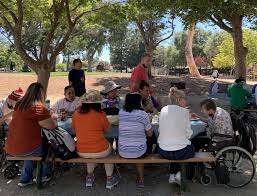
Group activities—whether creative projects, shared meals, or outings—help participants form bonds naturally, without pressure.
Encouraging Independence in a Supportive Way
The best programs strike a careful balance between support and independence. Participants are encouraged to try tasks on their own, with assistance available when needed.
This approach builds trust in personal ability. Instead of focusing on limitations, programs focus on strengths and potential.
In physical rehabilitation and occupational therapy, gradual independence is key to long-term success. Disability day programs use the same principle—support is there to empower, not replace.
As confidence grows, participants often take on new challenges and responsibilities within the program environment.
Programs That Reflect Real Life
Effective day programs don’t exist in isolation from the outside world. They often include activities that mirror everyday experiences, such as shopping practice, community outings, or creative projects tied to real interests.
This helps participants feel connected to their broader community and better prepared for everyday situations.
You see similar approaches in job training programs and supported employment, where real-world exposure builds confidence and competence. Day programs that reflect real life help bridge the gap between structured support and independent participation.
Flexibility to Meet Individual Needs
No two participants are the same, and the best disability day programs recognise that. Flexibility allows activities to be adapted based on interests, abilities, and energy levels.
Some people thrive in creative settings. Others enjoy physical activities or social interaction. Personalised programming ensures that everyone feels included and engaged.
This tailored approach is common in modern education and healthcare, where individual needs guide planning. Disability support is most effective when it adapts rather than imposes.
Support That Extends Beyond the Program
The benefits of disability day programs often extend beyond the day itself. Skills practiced during the day—communication, problem-solving, social interaction—carry over into home and community settings.
Families often notice increased confidence, independence, and willingness to engage in new activities.
In lifelong learning and personal development, consistency and reinforcement are key. Day programs provide a regular space for growth that supports long-term progress.
Midway through exploring supportive options, many individuals and families learn more about best disability day programs by Nursed to understand how structured programs can support both skill development and meaningful social connection.
Creating a Sense of Belonging
Beyond skills and activities, one of the most powerful outcomes of disability day programs is a sense of belonging.
Being part of a group, contributing to shared activities, and feeling welcomed builds self-worth. Participants aren’t just attending a program—they’re joining a community.
This sense of belonging is vital. In psychology and social science, belonging is closely linked to mental well-being and motivation. When people feel accepted, they’re more likely to engage and grow.
Day programs that prioritise respect, inclusion, and choice foster environments where people feel comfortable being themselves.
Why Quality Matters
Not all programs are created equal. The best disability day programs are led by trained staff who understand both support needs and personal goals.
Quality programs focus on dignity, choice, and collaboration. Participants are encouraged to express their preferences and help shape their own experiences.
This reflects best practices across care industries, where person-centred approaches lead to better outcomes and satisfaction.
Final Thoughts: Supporting Growth Through Connection
Disability day programs are most effective when they balance structure with flexibility, support with independence, and skill building with social connection.
When designed thoughtfully, these programs help people develop practical skills, form meaningful relationships, and feel confident in their abilities.
The best programs don’t just support daily routines—they enrich lives. By creating safe, engaging environments where people can learn and connect, disability day programs play a vital role in promoting inclusion, independence, and well-being.