
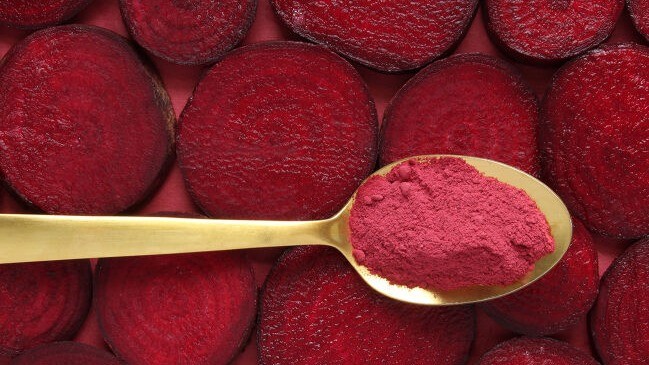
Red is one of the most expressive and eye-catching colors in food. It signals flavor, freshness, and indulgence—whether it’s a strawberry beverage, a berry-flavored yogurt, or a festive confectionery treat. Traditionally, synthetic dyes were used to achieve these bold shades. Today, however, growing consumer awareness has shifted the spotlight to natural red food coloring, with natural food coloring manufacturers playing a key role in making this transition possible.
Why Natural Red Food Coloring Is in Demand
Modern consumers are increasingly cautious about artificial additives, especially brightly colored ones. Ingredient transparency has become a deciding factor at the point of purchase. Natural red food coloring aligns perfectly with this shift because it is:
- Derived from plant-based and natural sources
- Compatible with clean-label and additive-free claims
- Suitable for vegan and plant-based products
- Trusted and widely accepted by consumers
For brands, switching to natural red isn’t just about color—it’s about credibility.
Key Natural Sources of Red Color
Nature offers several reliable sources for red and pink hues, each with unique characteristics:
Beetroot
One of the most widely used natural reds, beetroot contains betalain pigments that deliver deep red to pink shades. It is commonly used in:
- Bakery and confectionery
- Dairy and plant-based dairy products
- Beverages and smoothies
- Snacks and ready meals
Beetroot is valued for its mild taste and clean-label appeal.
Red Radish
Red radish extract provides bright, stable red tones, especially in acidic applications. It works well in:
- Fruit beverages
- Pickles and sauces
- Candies and gummies
Its pH stability makes it a preferred choice for beverages.
Anthocyanins
Extracted from sources like berries, grapes, and purple sweet potato, anthocyanins produce attractive red to purple shades. They are often used in:
- Yogurts and desserts
- Jams and jellies
- Fruit-based drinks
These pigments also bring antioxidant associations.
Paprika
Paprika oleoresin delivers warm red to orange-red hues and is popular in:
- Savory snacks
- Seasonings
- Processed foods and ready meals
It performs particularly well in fat-based systems.
The Role of Natural Food Coloring Manufacturers
Creating reliable natural red food coloring requires more than extracting pigment. Natural food coloring manufacturers combine scientific expertise with sustainable sourcing to ensure consistent performance.
Their role includes:
- Selecting high-pigment botanical raw materials
- Using gentle extraction methods to preserve color
- Developing stable liquid and powder formats
- Testing performance under heat, light, and pH variations
- Customizing shades for specific food applications
This technical support helps food brands successfully replace synthetic dyes without sacrificing visual appeal.
Applications Across Food Categories
Thanks to improved formulations, natural red food coloring is now widely used in:
- Cakes, pastries, and frostings
- Gummies, candies, and chocolates
- Ice creams and frozen desserts
- Yogurts and dairy alternatives
- Beverages, smoothies, and sports drinks
- Plant-based meat alternatives
Red shades also play an important role in signaling flavors like strawberry, cherry, raspberry, tomato, and chili.
Stability Challenges and Innovation
Natural red pigments can be sensitive to:
- High temperatures
- Light exposure
- Oxidation
- pH changes
To overcome these challenges, natural food coloring manufacturers invest in advanced techniques such as encapsulation, spray drying, and optimized emulsions. These innovations improve shelf life, color retention, and batch-to-batch consistency.
Clean Labels and Brand Trust
From a marketing perspective, natural red colors offer a strong advantage. Ingredients listed as “beetroot extract” or “fruit and vegetable color” are easier for consumers to understand and trust than artificial color codes.
This transparency supports:
- Premium positioning
- Health-focused branding
- Consumer confidence and loyalty
In an increasingly competitive market, trust has become a key differentiator.
The Future of Natural Red Food Coloring
As clean-label expectations continue to grow, demand for natural red food coloring will rise across global markets. Future developments are likely to focus on:
- Enhanced heat-stable red pigments
- Vegan alternatives to carmine
- Organic-certified red color solutions
- Sustainable and traceable raw material sourcing
Natural food coloring manufacturers will remain at the forefront of this evolution, bridging the gap between nature and modern food processing.
Conclusion
Natural red food coloring is no longer a niche alternative—it’s becoming the industry standard. Supported by innovation and expertise from natural food coloring manufacturers, brands can now achieve vibrant red shades while meeting consumer demands for transparency and natural ingredients.
As the food industry continues to move toward cleaner labels, natural red stands as a powerful symbol of progress, trust, and nature-driven innovation.