
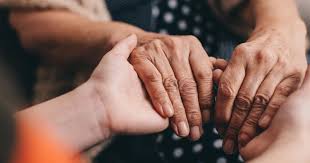
The hand feels simple because we use it constantly. We reach, grip, type, cook, and gesture without thinking twice. That familiarity can be misleading. When something goes wrong, many people are surprised by how disruptive even a small hand issue can be — and how complex recovery really is.
Hand function is often misunderstood, not because people are careless, but because the hand’s role in daily life is so automatic. It’s only when pain, stiffness, or weakness appears that its true complexity becomes obvious.
We assume strength is the main measure of function
One of the most common misconceptions is that hand function is mostly about strength. While strength matters, it’s only one part of a much bigger picture.
Effective hand use depends on:
- Fine motor control
- Sensation and feedback
- Timing and coordination
- Endurance over repeated tasks
Someone may be able to squeeze hard once, yet struggle with buttons, writing, or sustained grip. Function isn’t about maximum force; it’s about control across many small movements.
Pain is not the best indicator of severity
People often judge the seriousness of a hand issue by how much it hurts. This can be misleading.
Some significant problems cause:
- Minimal pain
- Intermittent discomfort
- Symptoms that come and go
By the time pain becomes constant, the underlying issue may already be well established. This is one reason people delay assessment until function is clearly affected.
Small limitations create big consequences
A minor reduction in movement can have a surprisingly large impact. Losing just a few degrees of motion in a finger or wrist may not seem important, but it can change how tasks feel and how long they take.
Subtle limitations can:
- Increase fatigue
- Reduce confidence in grip
- Lead to awkward compensations
Over time, these adaptations affect the whole arm and even posture, turning a local issue into a broader one.
Sensation is as important as movement
Another common misjudgement is underestimating the role of sensation. The hand relies heavily on feedback from nerves to guide precise movement.
When sensation is altered:
- Grip becomes less reliable
- Fine tasks feel clumsy
- People rely more on visual guidance
Even slight numbness or tingling can disrupt coordination, increasing the risk of dropping objects or over-gripping to compensate.
We expect the hand to “rest” like other body parts
Unlike a knee or ankle, the hand is rarely at rest. Even when injured, it’s used throughout the day for basic tasks.
This constant use means:
- Healing tissues are repeatedly stressed
- Inflammation has less chance to settle
- Recovery often takes longer than expected
People exploring hand surgery Perth options are often surprised to learn how much everyday use has influenced their symptoms and recovery timeline.
Compensation hides the real problem
The body is very good at finding workarounds. When one finger or joint isn’t working well, others take over.
This compensation:
- Maintains function in the short term
- Increases strain elsewhere
- Delays recognition of the original issue
By the time someone seeks help, the problem may be more complex than it first appeared.
Fine motor skills are fragile
Gross movements, like lifting or pushing, are easier to recover than fine motor tasks. Precision requires a high level of coordination between muscles, tendons, and nerves.
Fine motor difficulties may show up as:
- Trouble with handwriting
- Difficulty using tools
- Reduced speed in detailed tasks
These issues are often more frustrating than painful, yet they significantly affect daily independence.
Recovery isn’t just about healing tissue
Many people expect recovery to be complete once pain settles. In reality, regaining full function often requires retraining movement patterns.
Recovery may involve:
- Restoring range of motion
- Rebuilding coordination
- Relearning efficient grip strategies
Without this retraining, the hand may feel “better” but never fully normal.
The brain plays a bigger role than expected
Hand function is closely tied to the brain. The hand occupies a large area of the brain’s sensory and motor maps.
When injury or disuse occurs:
- The brain’s representation can change
- Movement may feel unfamiliar or awkward
- Confidence in use can drop
Re-engaging the hand helps rebuild these connections, supporting better long-term function.
Age and “wear and tear” are often blamed unfairly
Many people attribute hand issues to ageing or unavoidable wear. While changes do occur over time, many problems are influenced more by use patterns than age itself.
Repetitive tasks, posture, and delayed care often play a larger role than people realise. Assuming decline is inevitable can delay helpful intervention.
Function is about integration, not parts
Perhaps the biggest misjudgement is seeing the hand as a collection of separate parts rather than an integrated system. Fingers, tendons, nerves, and joints all rely on each other.
When one part isn’t working well:
- The whole system adapts
- Efficiency drops
- Strain increases elsewhere
Addressing hand issues effectively means looking at how everything works together, not just the site of pain.
Understanding leads to better decisions
Most people don’t misjudge hand function because they’re uninformed — they misjudge it because the hand usually works so well, so quietly. When it doesn’t, the impact feels out of proportion to the size of the problem.
Recognising the hand’s complexity helps explain why early attention matters, why recovery takes patience, and why even small improvements can make a big difference. When hand function is understood properly, people are better equipped to protect it, restore it, and value the role it plays in everyday life.