
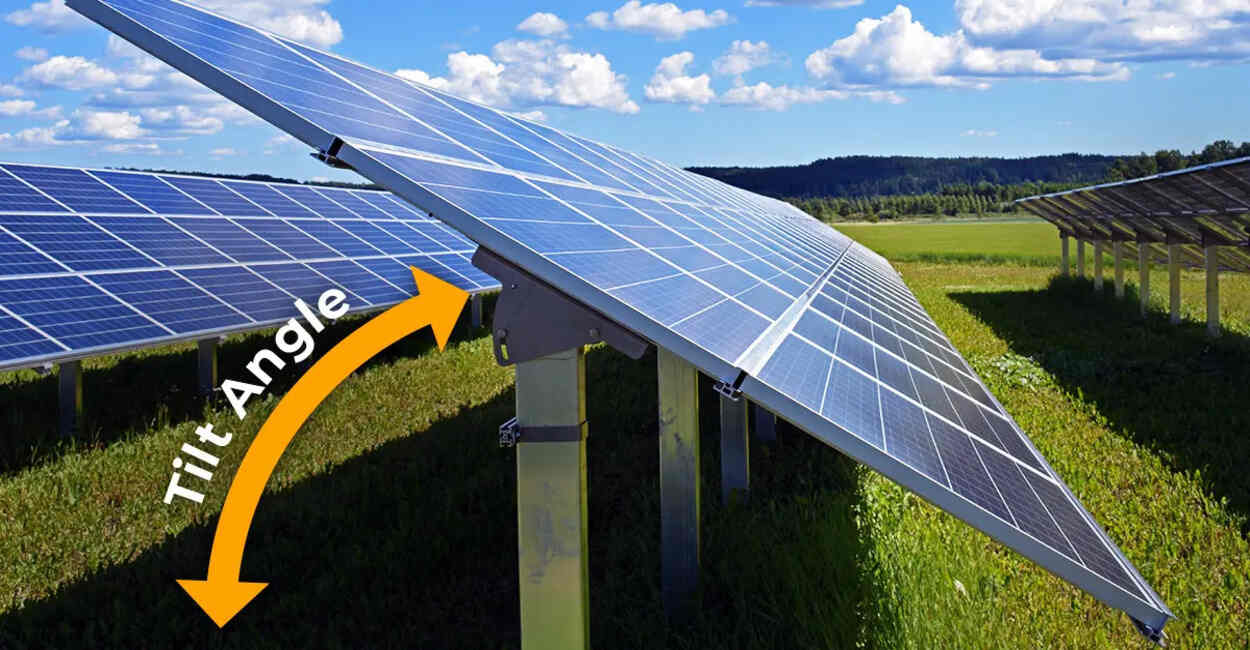
Solar energy innovation is not targeted best on panel efficiency; it now embraces wise layout choices that determine how efficiently daylight is captured during the day. Angle and orientation play a defining role in how solar structures engage with the solar’s direction, surrounding systems, and seasonal light shifts. Modern solar layout treats every setupas a cucustom-designedower surface as opposed to a hard and fast technical product.
Homeowners and developers often start this adventure by consulting a Solar Installation Company in Richmond to explore how geographic factors, roof shape, and placement situations affect sun potential. These early discussions set the stage for progressive maplanningin which panel positioning turns into an art knowledgeable through data, environmental attention, and long-time period overall performance goals.
As cities evolve and clever homes end up the norm, the manner sun panels are angled and oriented is increasingly more formed by virtual tools, architectural integration, and adaptive technologies. The aim is not simply to “face the solar,” but to lay out living structures that respond to light dynamically whilst improving the visible and useful man or woman of current spaces.
Rethinking Sunlight Capture Through Innovative Design
Angle and orientation were once considered static decisions made at setup and seldom revisited. Innovation has modified that angle. Today, designers approach sunlight capture as a dynamic method motivated by microclimates, city density, or even reflective surfaces nearby.
Modern planning equipment simulates how sunlight travels across a site for the duration of unique instances of day and throughout the yr. These visual models permit designers to perceive shading patterns from bushes, buildings, or terrain functions before panels are ever hooked up. The result is a more responsive layout wherein placement strategies are subtle without a doubt, lowering trial and error and keeping structural and aesthetic integrity.
Innovation additionally indicates how structures adapt to architectural diversity. From sloped residential roofs to flat commercial systems and floor-mounted arrays, orientation strategies are tailored to every surroundings. This flexibility permits solar to integrate into complicated areas without sacrificing efficiency or visible coherence.
Digital Intelligence and Adaptive Positioning
The upward push of clever technology has changed how aanglesand orientations are controlled over time. Instead of depending solely on constant mounts, many cutting-edge systems incorporate adaptive factors that alter positioning primarily based on mild situations, cloud cover, or seasonal adjustments.
When running with a solar Installation Company Virginia, asset owners increasingly explore solutions that combine digital monitoring with bodily design. Sensors and software now offer real-time comments, displaying how orientation affects performance throughout the day. These insights help refine device behavior, upkeep schedules, and future enlargement plans.
Another modern shift is using building statistics for manual orientation selections. Designers now take into account how warmth retention, ventilation styles, and reflective substances interact with panel placement. This incorporated technique aligns energy capture with typicalconstructionl performance, developing solar structures that aid comfort, durability, and efficiency in a unified way.
Architectural Harmony and Environmental Awareness
Angle and orientation are not simply technical variables; they’re architectural equipment. Innovative sun tasks increasingly prioritize visible harmony, making sure panels complement rooflines, façades, and surrounding landscapes.
Designers may additionally attach panels to comply with current structural traces, growing an unbroken look that complements lower enchantment. On business and public homes, solar arrays are often located to serve as seen sustainability statements, speaking environmental values through form in addition to feature.
Environmental integration is equally essential. Orientation, making plans, no money owed for wind corridors, rainfall float, and ecological capabilities. By respecting herbal patterns, solar structures can lessen wear, improve durability, and coexist more gently with neighborhood ecosystems.
Residential Innovation and Personalized Solar Design
Residential solar design has entered an exceedingly customized technology. Homeowners now expect structures that replicate their way of life, architecture, and destiny energy wishes. Angle and orientation making plans performa primary role in this customization, aligning solar layouts with both visual possibilities and practical necessities.
When households discover residential solar installation services in Virginia, they often discover that orientation decisions can have an impact on greater than strength capture. Panel placement affects roof aesthetics, potential expansions, and compatibility with garage solutions and electric motors. Innovative residential structures are designed as evolving structures in place of one-time installations.
Another rising fashion is community-level focus. Designers recall how close-by homes, landscaping, and shared spaces affect daylight styles. This broader perspective ensures that every residential system suits harmoniously into its surroundings while preserving strong performance and flexibility.
Final Thoughts
Angle and orientation are at the coronary heart of revolutionary sun design. They rework panels from static additives into responsive electricity surfaces that interact intelligently with daylight, architecture, and the surrounding environment. By drawing close positioning as both a technical and creative procedure, modern sun systems reap a degree of sophistication that supportslong-termd sustainability desires.
As explored through the regularly requested questions, successful solar projects depend upon considerate planning, digital intelligence, environmental focus, personalised design, and expert guidance. These factors are painted together to ensure that structures are not only green but also resilient, adaptable, and visually incorporated.
Frequently Asked Questions :
Why are angles andorientationsn so essential in solar layout?
They decide how efficiently panels get hold of daylight across different times of day and seasons. Thoughtful positioning supports consistent performance and long-term reliability.
Can innovative technology improve orientation over the years?
Yes. Modern structures frequently use clever monitoring and adaptive mounting solutions that respond to changing light conditions and site environments.
Do surrounding buildings and bushes certainly make a distinction?
Absolutely. Shading and reflection notably have an effect on sunlight exposure, which is why digital web page evaluation is now a standard part of innovative planning.
Is orientation the simplest crucand most ial for rooftops?
No. Ground-hooked up and industrial structures also depend on particular positioning to stabilize energy seizure, land use, and preservation.
How does professional steering have an effect on those selections?
Experienced carriers examine architectural, environmental, and technological elements together, ensuring orientation picks assist both performance and layout desires.