
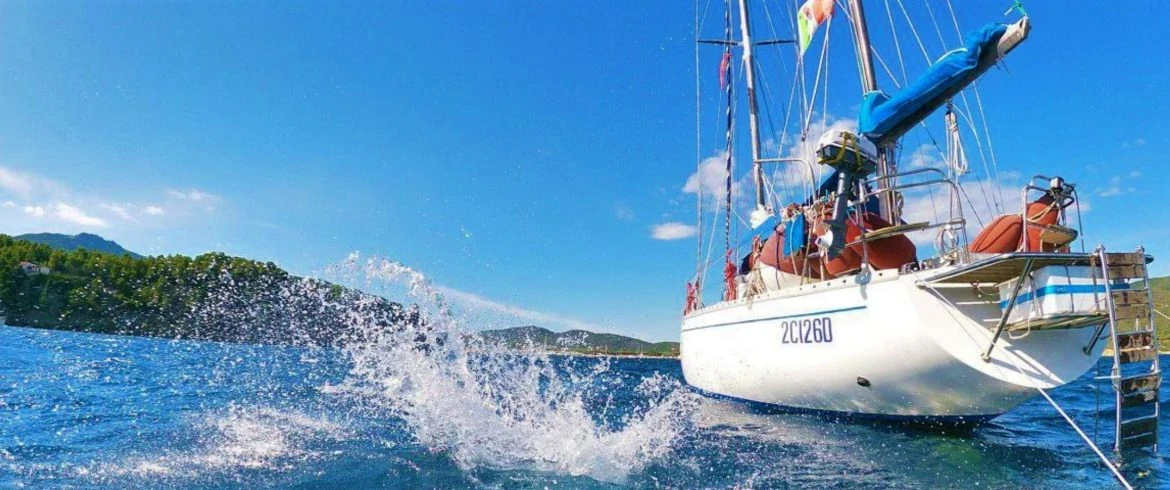
Traveling on a boat with friends promises adventure, stunning views, and shared laughs under the sun. But confined spaces, tight schedules, and the unpredictability of the water can turn paradise into tension fast. Small disagreements about navigation, music choices, or who handles cleanup can escalate quickly when there’s nowhere to retreat. The good news? With intentional planning and clear communication, you can keep the vibe positive and make memories that strengthen friendships instead of straining them.
Set Expectations Early — Before You Even Step Onboard
The foundation of a drama-free boat trip starts long before casting off. Gather your group for a casual video call or group chat to discuss what everyone wants from the experience. Is this a relaxed sunset cruise, an action-packed fishing expedition, or a mix of both? Align on the trip’s “why” to avoid mismatched expectations.
Talk openly about travel styles too. Some friends thrive on structure and itineraries, while others prefer spontaneity. Address potential hot buttons like alcohol consumption, wake-up times, or how to handle seasickness. Agree on basics: no surprises with extra guests, and everyone pitches in for shared costs upfront to prevent money-related friction later.
Pro tip: Create a shared document or app for the itinerary, packing reminders, and ground rules. This transparency sets a collaborative tone and gives everyone a sense of ownership.
Establish Clear Roles and Responsibilities
On a boat, everyone can’t be the captain — literally and figuratively. Assign roles based on strengths and interests to avoid power struggles. One person might handle navigation and weather checks, another manages meals and provisioning, while someone else takes charge of music playlists and entertainment.
Rotate duties like cleaning the deck, managing the cooler, or standing watch during longer sails. This prevents one person from feeling overburdened and reduces resentment. Make it fun — turn chores into games or pair people up for tasks to encourage bonding.
If someone has boating experience, let them lead safety briefings. Covering essentials like life jacket rules, emergency procedures, and where the first-aid kit lives builds trust and shows respect for the boat and crew.
Respect Personal Space and Boundaries
Boats feel spacious at the dock but shrink quickly once underway. Respecting personal space is crucial. Agree on “quiet zones” or times when someone needs alone time — perhaps one person wants to read in the cabin while others fish off the bow.
Encourage breaks from the group dynamic. Suggest solo swims, short naps, or headphones for downtime. Small gestures like offering a friend a quiet corner or checking in privately (“Hey, you good?”) can defuse brewing tension.
Also, respect physical boundaries: ask before blasting music, borrowing gear, or entering someone’s sleeping area. Non-marking shoes (or barefoot rules), no red drinks to avoid stains, and quick clean-ups after meals keep the boat pleasant for everyone.
Communicate Openly and Address Issues Calmly
Conflicts arise — that’s normal. The key is handling them before they fester. Use “I” statements to express feelings without blame: “I feel overwhelmed when tasks pile up — can we redistribute?” instead of “You’re not helping!”
Schedule casual check-ins, like happy hour debriefs, to air minor gripes. If something bigger brews, step away briefly — a quick dip in the water or time at the helm can cool heads. Avoid escalating in front of the group; pull someone aside for a private chat.
Remember, vacations amplify emotions. Fatigue, hunger, or motion sickness can make small things feel huge. Keep snacks handy, stay hydrated, and build in flexibility for rest.
Pack Smart and Bring the Right Gear
A well-prepared group avoids unnecessary stress. Focus on essentials that enhance comfort and safety for everyone. Quality Marine Accessories like durable coolers, waterproof speakers, non-slip deck mats, and portable chargers make shared time more enjoyable without cluttering the boat.
Pack light to leave room for group items, and divide shared gear responsibilities. Sunscreen, motion sickness remedies, extra towels, and a good playlist app ensure no one goes without.
Embrace the Adventure Mindset
The best boat trips with friends happen when everyone adopts a flexible, positive attitude. Laugh off minor mishaps — a sudden wave drenching everyone or a detour for dolphins. Celebrate small wins, like nailing a perfect anchorage or cooking a group meal.
Share photos, toast sunsets, and create inside jokes. These moments build stronger bonds than any perfect plan.
By planning ahead, communicating clearly, and treating the boat like shared territory, you turn potential friction into fun. The water has a way of bringing people closer — keep the peace, and you’ll come back with stories (and friendships) that last long after the trip ends.