
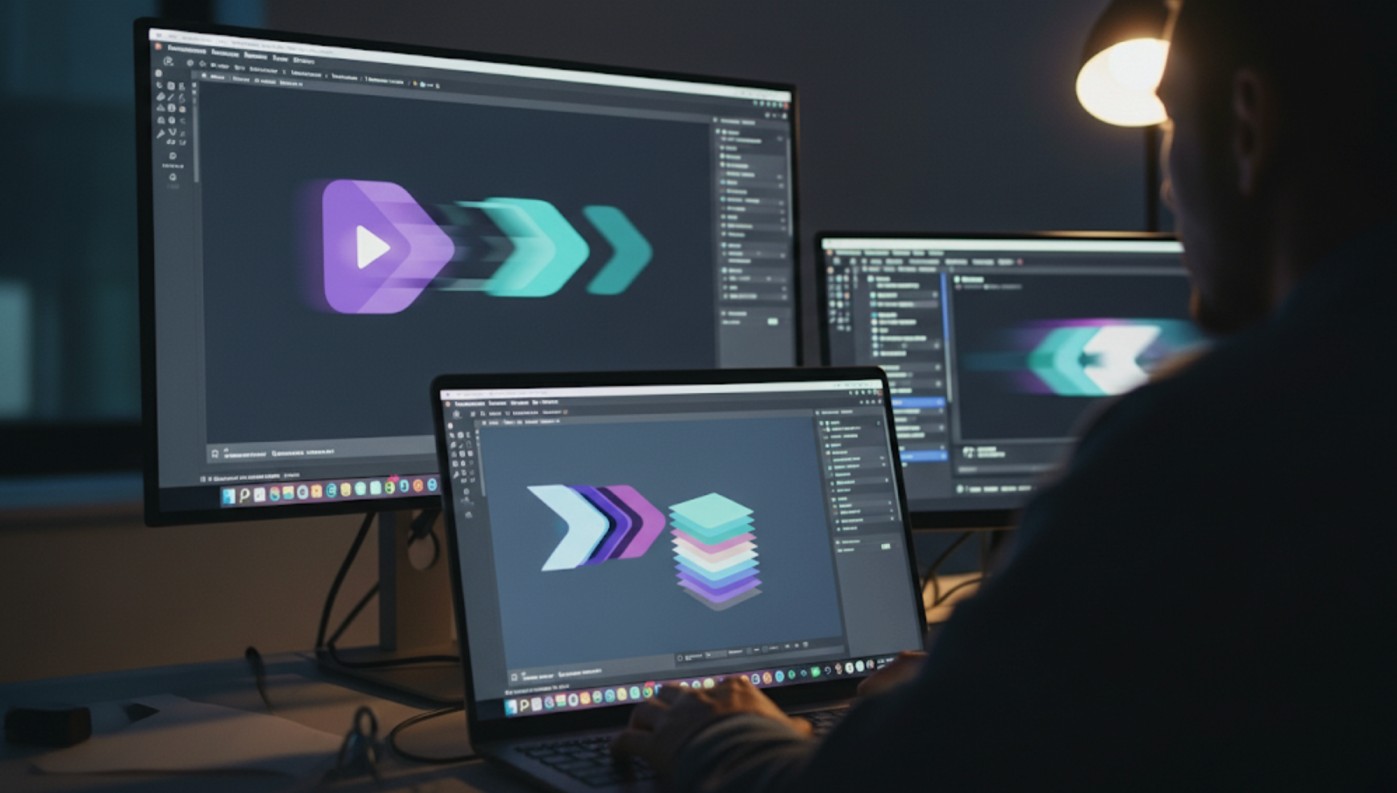
“This article explores why dynamic and animated logos are shaping modern branding in 2026, explaining how motion enhances brand identity, improves digital engagement and supports long term growth, especially for businesses investing in logo design in Hawaii across competitive digital platforms.”
Logos are not just on shops, letterheads and brochures anymore. They can now be found in applications, social media feeds, videos, websites and interactive platforms. As more and more brand touchpoints have gone digital, logo design has evolved accordingly. Static symbols that were effective in print do not work as well in fast paced web settings anymore. This change is one reason why animated and dynamic logos are becoming more important to modern company identity. The shift toward motion based branding is in line with both worldwide trends and what businesses in Hawaii anticipate from logo design.
From Fixed Symbols to Flexible Identities
For many years, branding consistency meant keeping a logo identical in every situation. That approach made sense when most brand exposure happened in physical spaces. Digital platforms have changed those rules. Screens vary in size, orientation and interaction and logos now need to perform across all of them.
A flexible brand identity allows a logo to adapt while staying recognizable. Instead of relying on a single locked design, brands now use systems that shift in scale, layout or motion depending on context. This flexibility helps logos feel natural in digital environments rather than rigid or outdated.
What Makes a Logo Dynamic or Animated
A dynamic logo system includes multiple variations built around shared visual elements. Color, spacing, or composition may change, but the core identity remains intact. These variations allow the logo to fit naturally into different formats without sacrificing recognition.
Animated logos provide movement to the brand. This movement might be small, like a seamless reveal or transition or it can be more expressive when employed in digital or video campaigns. Good animation helps the brand message instead of getting in the way of it. The goal is to be clear and purposeful, not to have too much going on visually.
Why Static Logos Are Falling Behind
Audience behavior has shifted dramatically. Most brand interactions now happen while scrolling, tapping, or watching short videos. In these environments, still images are often overlooked. Motion draws the eye and helps brands stand out in crowded digital spaces.
Static logos also struggle to feel integrated within motion heavy platforms. When everything around a logo moves, a fixed symbol can appear disconnected. Brands that rely only on static visuals risk appearing dated or less engaging than competitors who embrace motion.
The Impact of Digital First Platforms
Social media has reshaped how logos are presented and consumed. Logos now appear in video intros, story highlights, reels and digital advertisements. In these formats, animation helps logos feel like part of the content rather than an overlay.
Websites and applications also benefit from animated branding. A logo that responds during loading or navigation can subtly reinforce brand presence. These interactions influence how users perceive quality, polish, and professionalism, even if the effect is subconscious.
How Motion Shapes Brand Perception
Movement communicates emotion. The speed, direction and rhythm of animation influence how a brand feels. Smooth motion can suggest calmness and trust, while sharper movement can signal energy or innovation. This emotional layer adds depth that static design alone cannot achieve.
Animated logos also signal relevance. Brands that use motion thoughtfully are often viewed as modern and forward looking. This perception matters in competitive digital spaces where credibility is formed quickly.
Strong logo design has long played a role in shaping how audiences perceive major brands. Industries like aviation show how visual identity influences trust and recognition, as explored in this analysis of which airline has the best logo.
Why Motion Works Especially Well for Hawaii-Based Brands
Hawaii-based businesses often rely on storytelling, atmosphere and emotional connection. Tourism, hospitality, wellness and lifestyle brands all benefit from visuals that feel alive and expressive. Animated branding aligns naturally with these industries.
In Hawaii logo design, animation allows brands to reflect movement found in nature, culture and daily life while maintaining professionalism. When handled with care, motion enhances identity without overpowering it, helping brands connect with both local audiences and international visitors.
Design Principles That Keep Animation Effective
Simplicity remains essential. Over animated logos can confuse viewers and weaken recognition. The most effective animations are restrained and intentional. Each movement should serve a clear role, whether guiding attention or reinforcing structure.
Consistency counts. A logo must work as a still and animated image. Clear motion rules provide brand consistency across platforms.
Technical Factors in Logo Development
Animation must be optimized for performance. Lightweight formats support fast loading times and smooth playback across devices. Poorly optimized motion can slow websites and negatively affect user experience.
Scalability is equally important. Logos appear everywhere, from mobile screens to large digital displays. Animation should enhance usability rather than interfere with it, adapting smoothly to different sizes and contexts.
Long Term Branding Benefits of Motion
Animated logos support long term brand growth by offering flexibility. Motion elements can be reused across campaigns, seasonal promotions and digital assets without constant redesign. This approach maintains consistency while allowing creative evolution.
Motion also strengthens recognition. Repeated exposure to a familiar animation pattern helps audiences remember a brand more easily. Over time, these visual cues build familiarity and trust.
Where Static Logos Still Play a Role
Static logos remain important in specific contexts. Print materials, legal documents and physical signage require clarity without motion. These applications still benefit from strong static design.
Many brands now use hybrid systems. A static logo provides a foundation, while animated versions enhance digital experiences. This balanced approach allows brands to meet practical needs without limiting creative potential.
Conclusion
Dynamic and animated logos show how branding has changed to keep up with how people use digital media and what they anticipate. Motion is becoming an essential part of modern identity design, not just an optional extra.
In Hawaii, where the market is focused on experiences and visuals, animation gives firms that engage in logo design an obvious edge. Movement will still be a big part of how brands talk to, interact with and build their businesses in 2026 and beyond, as branding continues to change.