
Key Takeaways
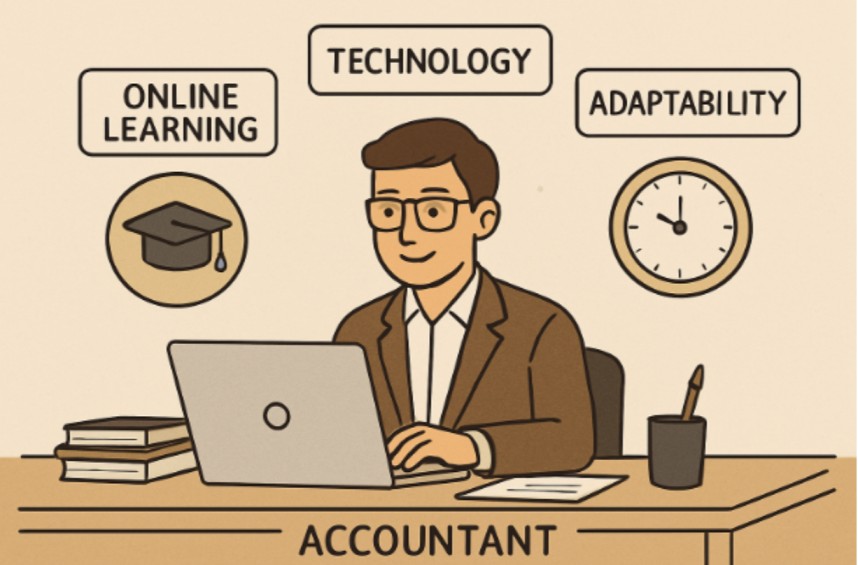
- Online education empowers accountants with flexible, up-to-date training that aligns with industry innovation.
- Courses integrate crucial tools like AI and blockchain, equipping professionals for tomorrow’s challenges.
- Continuous learning through digital channels fosters ongoing career growth and adaptability in a dynamic sector.
Table of Contents
- The Rise of Online Learning in Accounting
- Integrating Emerging Technologies
- Flexibility and Accessibility
- Continuous Professional Development
- Bridging the Skills Gap
- Real-World Applications
- Future Trends in Accounting Education
- Conclusion
As the accounting field undergoes technological transformation, online learning is redefining how accountants prepare for a future that demands new skills and up-to-date expertise. Embracing digital education offers a distinct advantage for professionals aiming to thrive, blending flexibility with the latest curriculum. This shift is prompting both students and experienced accountants to look beyond traditional classrooms and embrace interactive, on-demand resources. Accountants seeking to advance their careers can learn more about the countless opportunities online learning provides—from in-depth courses in financial strategy to specialist qualifications in emerging accounting technologies.
Digital platforms not only provide adaptable schedules but also cater to evolving specialization needs, reflecting industry trends and technological advancements. As accounting continues to integrate innovations like AI and blockchain, the ability to learn and adapt online has become essential. These advancements enable accountants to serve clients better while staying ahead of regulatory and technical shifts. Flexible access allows for skill building at any career stage, from students working toward certifications to CPAs focused on continuous professional development.
The Rise of Online Learning in Accounting
Online education has become a defining force in the evolution of the accounting sector. Global accessibility and instant updates have made it the preferred learning method for new entrants and seasoned professionals alike. With a variety of interactive content, webinars, video tutorials, and adaptive quizzes, digital learning removes many traditional barriers to skill development. For example, resources such as the U.S. News overview of online accounting bachelor’s degrees highlight how accredited programs are leveraging flexible formats and up-to-date curricula to meet modern industry demands. Institutions and organizations are increasingly adopting these platforms to ensure their teams remain competitive amid a fast-moving regulatory and technological landscape.
Whereas once continuing education meant time away from work or travel to specific venues, today’s accountants can opt for self-paced learning with on-demand access to international expertise, allowing them to balance professional responsibilities while continuously upgrading their skills.
Integrating Emerging Technologies
With emerging technologies rapidly changing the accounting profession, online platforms have adapted their curricula to address current and future demands. Courses on artificial intelligence (AI) and blockchain help accountants understand both the practical and strategic implications of tech-driven change. By gaining fluency in these areas, professionals can efficiently analyze large datasets, enhance the integrity of their financial processes, and automate auditing. For example, industry leaders now expect accountants to be conversant with AI-based tools that automate reconciliations and spotlight discrepancies more efficiently than manual processes.
Flexibility and Accessibility
Unlike traditional methods, online learning adapts to the user’s environment and schedule. Whether balancing work, family, or further education, accountants can access materials from anywhere in the world. This flexibility has widened participation, enabling more individuals to pursue certifications, licensure, or advanced degrees without pausing their careers.
Accessible online libraries also mean that technical standards, evolving tax regulations, and industry updates are only a click away. With real-world implications, this just-in-time approach helps ensure professional relevance and job security throughout an accounting career.
Continuous Professional Development
Staying current with the latest regulations, standards, and practices is fundamental in accounting. Digital learning platforms have responded by offering curated pathways for continuous professional development (CPD). These pathways often align with the requirements of major accounting bodies, ensuring qualifications remain valid and up to date.
Successful accountants leverage these opportunities to diversify their portfolios and add value to clients, whether through risk management, sustainable reporting, or data analytics. CPD delivered online is streamlined and often tailored, giving professionals control over what they learn and when.
Bridging the Skills Gap
As the pace of innovation increases, accountants risk falling behind without deliberate skill advancement. A well-documented skills gap has appeared for roles requiring data analytics, cybersecurity, and adaptive software proficiency. Online courses specifically target these weaknesses, providing the resources and mentoring needed to bridge the divide. Integrated assessment enables learners to measure growth and adapt their focus, ensuring readiness for everything from routine audits to strategic consultancy.
Future Trends in Accounting Education
Looking to the future, online accounting education is poised for further innovation with AI-driven personalized learning paths and immersive virtual reality experiences. These tools will enable accountants to receive instant feedback, adjust learning speed, and tackle more sophisticated simulations. As firms demand validated expertise in fields such as environmental, social, and governance (ESG) reporting, digital programs will offer new micro-credentials to demonstrate expertise in emerging areas. The future belongs to agile learners who continuously seek to refine their craft through technology-enabled education.
Conclusion
Online learning is more than a trend—it’s a transformative movement shaping tomorrow’s accountants. By providing continuous access to advanced knowledge, real-world practice, and critical new technologies, it prepares professionals for both current and unforeseen challenges. Flexible, relevant, and globally accessible, this approach is setting a new standard for professional growth in accounting. For anyone in the sector, embracing digital learning is a strategic investment in long-term success.