
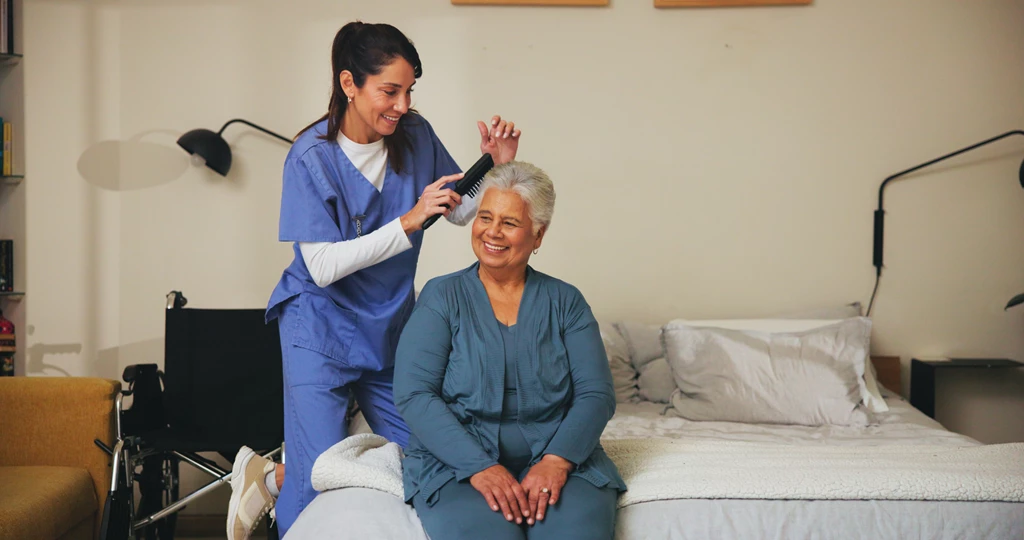
For many people, there’s nothing quite like the comfort of being in your own home. Your familiar kitchen, your favourite chair by the window, even the little routines that shape your mornings — these things bring comfort, security, and a sense of identity. But as life changes due to age, disability, illness, or major transitions, managing daily tasks at home can sometimes become challenging.
That’s where quality support at home makes a meaningful difference. It’s not just about getting help with practical tasks; it’s about staying connected to your life, your community, and your sense of independence. When support is delivered with care, respect, and genuine understanding, people can live safely at home for much longer—and with far greater confidence.
In this article, let’s explore how thoughtful, personalised support can transform everyday living, keep people safer, and strengthen their independence in real, practical ways.
Why Support at Home Matters More Than Ever
Across various industries, including healthcare, community services, disability support, and aged care, there is a growing recognition that people perform better when they remain in environments that feel familiar. Hospitals and care facilities play important roles, but they can never fully replace the reassurance of home.
Support at home enables individuals to maintain their daily routines while still receiving the necessary assistance. Imagine an older adult who still enjoys gardening but struggles with heavy lifting, or a person with mobility challenges who simply needs help with showering safely. With the right support, they can continue doing what they love, just with a little extra assistance.
This kind of help promotes not only physical well-being but also emotional well-being. Studies on independent living, community care, and aging have consistently shown that people remain more active, engaged, and motivated when they stay involved in their daily routines.
Practical Ways to Support at Home Improves Safety and Independence
Quality home support doesn’t require complex systems. Instead, it’s grounded in simple, meaningful actions that genuinely improve daily life. Here are a few real-world examples that highlight how it works.
1. Encouraging Safe Daily Living Activities
Small tasks like preparing breakfast, brushing teeth, or organising medication can become difficult over time. For instance:
- A senior recovering from hip surgery may require assistance with showering to prevent falls.
- Someone with arthritis might struggle to open jars or chop vegetables, but still wants to cook their own meals.
- A person with limited mobility may need assistance getting in and out of bed safely.
With trained support workers offering gentle guidance, these daily activities can become safe again. Importantly, the goal isn’t to take over — it’s to support the person to do as much as they can independently.
2. Reducing Health Risks at Home
No matter how comfortable a home feels, it can present hazards when mobility or health changes. Cluttered hallways, slippery floors, inaccessible storage, or poor lighting can all lead to accidents.
Support workers often help address these risks. They may assist with:
- Light cleaning to reduce fall hazards.
- Setting up assistive tools like grab rails or shower chairs
- Supporting regular routines, such as healthy meals and hydration
- Helping manage medications and reminding people to take them on time
These safety actions help prevent larger health issues that could require hospital visits or emergency care. Prevention, after all, is always easier and more empowering than recovery.
3. Supporting Social Connection
Loneliness affects people of all ages but is especially common among older adults and people living with disability. Social isolation doesn’t just harm mental wellbeing — research shows it can affect physical health too.
Support workers often become trusted companions. Whether they share a cup of tea, help someone connect over a video call, or drive them to local activities, their presence fosters connection. Even small conversations — chatting about the weather, family stories, or favourite TV shows — can lift someone’s mood for the entire day.
4. Helping People Stay Active and Engaged
Maintaining an active mind and body is crucial for long-term health. Support at home often includes:
- Encouraging gentle exercise
- Supporting hobbies like painting, cooking, knitting, or gardening
- Helping people attend community events, workshops, or social groups
For example, someone who loves music might need help setting up their keyboard or attending a local program. Another person who enjoys cooking might appreciate assistance with meal preparation while they handle the enjoyable aspects, such as selecting recipes or trying new dishes.
Each small moment of activity builds confidence — the quiet belief that “I can still do things that matter to me.”
Personalised Support Makes All the Difference
One of the most powerful aspects of home support is its flexibility. Unlike facility-based care, help is tailored to each person’s unique needs, preferences, and routines.
Some people may only need assistance once or twice a week. Others may prefer daily visits or more consistent support. The goal is always the same: to empower people, not restrict them.
That’s why services that offer truly individualised support are so valuable. They take the time to understand what matters most — whether it’s maintaining cultural traditions, keeping a beloved pet well cared for, or simply enjoying a sense of order at home.
Around the middle of a care plan, people often begin to feel more confident. Energy improves, routines become smoother, and they start doing more things independently that once felt overwhelming.
This kind of personalised approach is exactly what makes Support at Home by Carers Link such an effective option for maintaining independence. This service enables people to stay in the comfort of their own homes while still receiving the assistance they need.
Building a Future Where Home Remains a Safe and Comfortable Option
Support at home is not just a service — it’s a partnership. It’s built on trust, respect, and the belief that everyone deserves the chance to live their life on their terms.
As our population ages and more people value independence, the demand for flexible, high-quality home support will continue to grow. Encouragingly, community organisations, health professionals, and government systems are increasingly recognising the importance of in-home support as part of long-term wellbeing.
From maintaining mobility to fostering social connection, from managing daily tasks to reducing risks, quality support truly changes lives. It keeps people where they feel most comfortable. It strengthens their confidence. And most importantly, it helps them remain active participants in their own story.