
Hub-to-Hub Transport is quickly becoming one of the most important logistics strategies in the modern supply chain. By utilizing a network of centralized hubs connected by efficient transport routes, businesses can significantly improve the speed and cost-efficiency of moving goods across long distances. As global trade continues to grow and customer demands for faster delivery increase, companies are looking for innovative solutions to optimize their operations.
At the heart of this transformation is hub-to-hub transport. This model focuses on transporting goods between key hubs, such as distribution centers, ports, rail terminals, or warehouses, before delivering them to their final destinations. Unlike traditional methods that involve multiple small stops along the way, this streamlined approach minimizes the handling of goods and ensures they move quickly and efficiently.
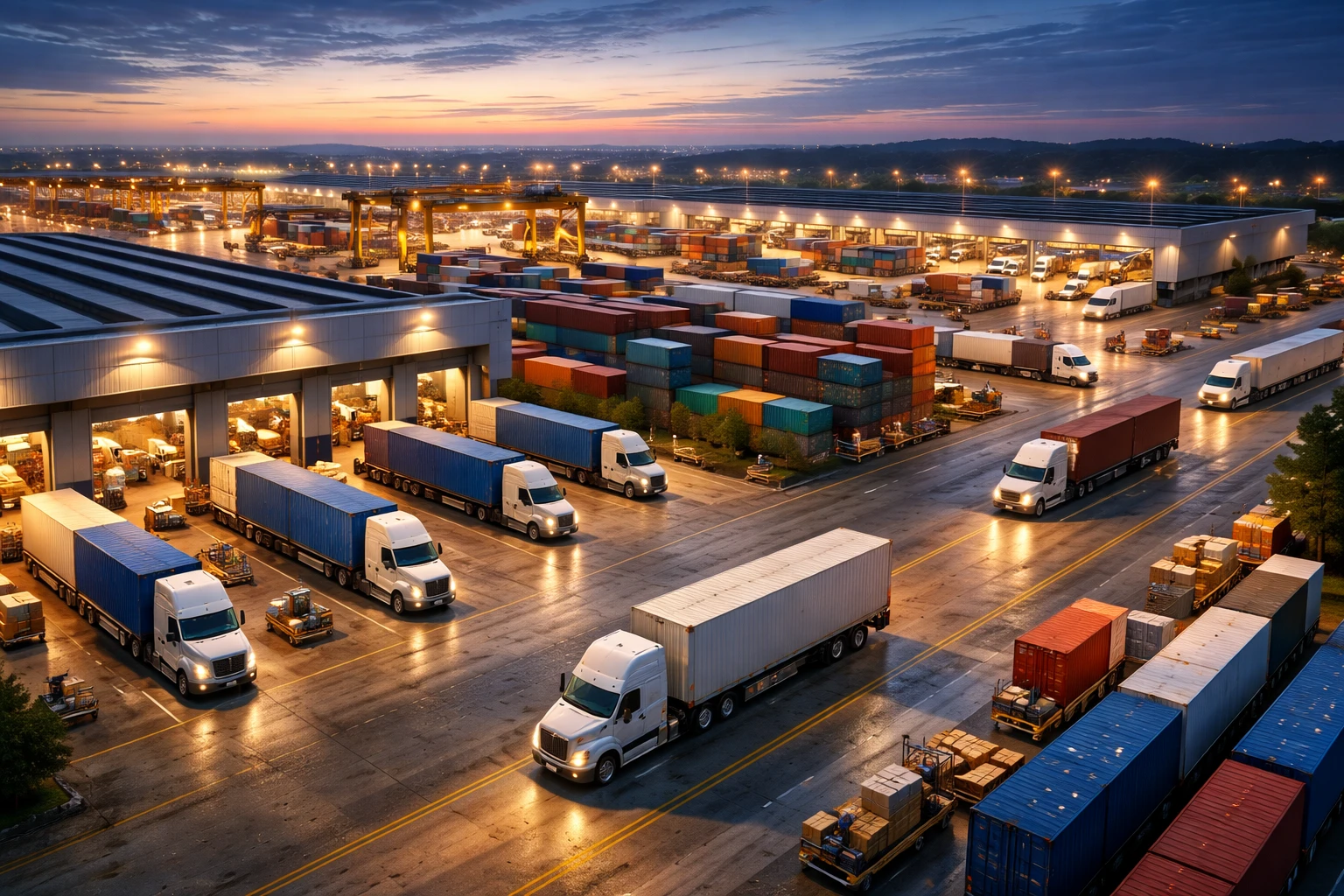
With the rise of e-commerce and global trade, businesses need faster, more cost-effective transportation methods to stay competitive. Freitty is at the forefront of providing innovative hub-to-hub transport solutions that help businesses streamline their logistics and stay ahead of the curve.
Why Hub-to-Hub Transport is Essential for Efficient Logistics
Hub-to-hub transport has become essential for modern supply chains due to several key advantages:
• Faster Transit Times: By using centralized hubs, goods can be moved more quickly, bypassing the delays of regional routes and ensuring timely deliveries to customers.
• Cost Efficiency: Fewer stops along the journey mean fewer handling costs, less fuel consumption, and optimized routes. This leads to significant cost savings for businesses.
• Improved Reliability: With centralized hubs, businesses can consolidate shipments and reduce the chances of delays caused by scattered distribution points. This improves the overall reliability of the supply chain.
• Greater Flexibility: Hubs act as flexible points that can handle large volumes of goods, making it easier to scale operations and accommodate growing customer demands.
• Visibility and Control: With hub-to-hub transport, businesses gain greater visibility and control over the movement of goods, enabling real-time tracking and more accurate delivery schedules.
How Hub-to-Hub Transport Works
At its core, hub-to-hub transport works by connecting various regional or national hubs with fast, reliable transport routes, typically utilizing truck, rail, or air freight, depending on the distance and urgency. Here’s a simplified overview of how the process works:
• Goods Collection: Products are gathered at regional warehouses, production facilities, or collection points. These goods are then transported to a central hub that serves as the starting point for the next phase of the journey.
• Consolidation at Hubs: Once goods reach the central hub, they are consolidated with other shipments going in the same direction. This step minimizes empty space in transport vehicles and ensures efficient use of resources.
• Long-Distance Transport: The consolidated shipments are then transported across long distances to the next hub, whether by truck, rail, or air, depending on the urgency and geography. The central hub serves as a critical interchange point, connecting different regions.
• Final Distribution: After the goods arrive at the destination hub, they are sorted and redistributed for final delivery to customers or retail locations. The goods are now closer to their final destination, which makes the last-mile delivery quicker and more efficient.
Freitty’s Hub-to-Hub Transport Solutions
Freitty offers a comprehensive suite of hub-to-hub transport solutions designed to optimize your logistics operations. From our innovative routing technology to our real-time tracking systems, we ensure your goods are transported quickly, safely, and cost-effectively.
Our hub-to-hub transport services include:
• Customized Routes: We offer tailored transport routes that ensure your goods travel via the most efficient paths, minimizing transit times and cutting costs.
• Multiple Modes of Transport: Whether by truck, rail, or air, we provide a variety of transport options to meet the specific needs of your business, depending on speed, cost, and distance.
• Advanced Tracking: With Freitty’s real-time tracking system, you can monitor the movement of your goods at every stage of their journey, ensuring full visibility and transparency.
• Scalable Solutions: As your business grows, our hub-to-hub transport services scale to accommodate increased volume and new markets, making it easy to expand your operations without disruption.
• Sustainability Focus: At Freitty, we prioritize eco-friendly practices by utilizing fuel-efficient vehicles, optimizing routes to reduce emissions, and integrating green technologies in our operations.
The Benefits of Hub-to-Hub Transport for Businesses
Investing in hub-to-hub transport provides businesses with several competitive advantages, including:
• Reduced Operational Costs: Consolidating shipments and optimizing routes leads to lower transportation and handling costs, which ultimately improves your bottom line.
• Improved Customer Satisfaction: Faster transit times and reliable delivery schedules lead to more satisfied customers who receive their goods on time, every time.
• Greater Supply Chain Flexibility: With a network of interconnected hubs, your business can easily adapt to changing demands and scale operations without worrying about capacity limits or bottlenecks.
• Enhanced Transparency: Real-time tracking and visibility provide businesses with full control over their supply chains, enabling proactive problem-solving and minimizing the risk of disruptions.
The Future of Hub-to-Hub Transport
As e-commerce continues to expand and customer expectations rise, the demand for faster and more reliable logistics will only increase. The future of hub-to-hub transport will likely include even more advanced technologies, such as autonomous vehicles, drones, and AI-driven route optimization, which will further streamline the logistics process and reduce costs.
The rise of digital twins — virtual replicas of physical supply chains — will also help businesses simulate different logistics scenarios and optimize their hub-to-hub transport networks for greater efficiency.
With sustainability becoming a more prominent concern, the future of hub-to-hub transport will also likely see more focus on greener logistics practices, including electric trucks, renewable energy sources, and carbon offset initiatives.
Conclusion: Why Choose Freitty for Your Hub-to-Hub Transport Needs
Freitty is at the forefront of revolutionizing hub-to-hub transport by offering innovative, cost-effective solutions that optimize your logistics. Whether you’re a small e-commerce business or a large corporation, Freitty’s tailored hub-to-hub transport services ensure that your goods move efficiently, on time, and within budget.
Visit Freitty.com today to learn more about how our hub-to-hub transport solutions can help streamline your supply chain and improve your business operations.