
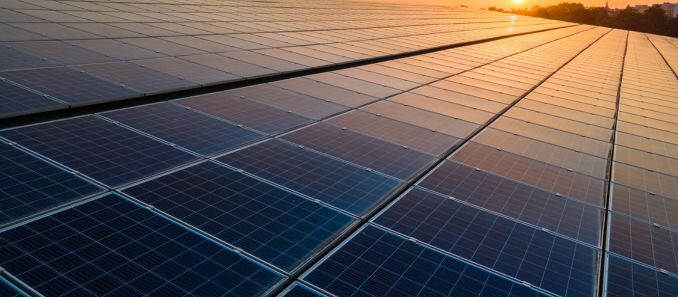
Switching to solar energy is an appealing prospect for many homeowners, promising lower electricity bills, a smaller carbon footprint, and greater energy independence. However, before you start scheduling installations, it is essential to determine if your home is a suitable candidate for solar panels. Several factors, from the condition of your roof to local regulations, play a significant role in the success and efficiency of a solar energy system.
Assessing your home’s readiness is a critical first step. This guide outlines the key considerations you need to evaluate to make an informed decision about going solar.
Evaluating Your Property for Solar Suitability
Not every home is an ideal match for solar panels. A thorough evaluation of your property will help you understand the potential returns on your investment and any challenges you might face.
Roof Condition and Characteristics
The foundation of any rooftop solar installation is, quite literally, your roof. A professional installer will not place panels on a roof that needs repairs or is nearing the end of its lifespan.
- Age and Health: Solar panels are designed to last for 25 to 30 years. If your roof is more than 10-15 years old or shows signs of wear, you should consider replacing it before installing panels. Removing and reinstalling panels later is a costly and complicated process.
- Material: Solar panels can be installed on most common roofing materials, including asphalt shingles, metal, and tile. However, some materials, like slate or wood shake, can make installation more complex and expensive.
- Size and Space: Your roof must have enough unobstructed space to accommodate the number of panels needed to meet your energy goals. Obstructions like chimneys, vents, and skylights can limit the available area.
Sunlight Exposure and Orientation
The amount of electricity your panels generate is directly related to how much sunlight they receive.
- Shading: Significant shading from trees, nearby buildings, or other structures will drastically reduce a panel’s output. An ideal roof has clear, direct sun exposure for the majority of the day, particularly during peak hours. Some shading in the early morning or late afternoon is usually acceptable.
- Direction: In the Northern Hemisphere, south-facing roofs are optimal because they receive the most direct sunlight throughout the day. However, east- and west-facing roofs can also be effective, generating more power during the morning and afternoon, respectively.
Understanding Your Energy Needs and Local Regulations
Beyond the physical aspects of your home, it is important to consider your energy consumption patterns and the rules governing solar installations in your area.
Analyzing Your Electricity Usage
Before investing in a solar system, review your past electricity bills. Understand how much energy you typically consume each month and at what times of the day. This information will help you and your installer determine the appropriate size for your solar panel system. Your goal may be to offset all of your electricity usage or just a portion of it.
Local Policies and Incentives
The financial viability of a solar project often depends on local and federal support.
- Net Metering: This policy allows you to send excess electricity your panels generate back to the grid in exchange for credits on your utility bill. The availability and terms of net metering vary by location and utility provider.
- Incentives and Rebates: Look for federal tax credits, state rebates, and local incentives that can significantly reduce the upfront cost of your installation. These programs change over time, so it’s important to research the current offerings.
- Permitting and HOA Rules: Most municipalities require permits for solar panel installations. Additionally, if you live in a community with a homeowners’ association (HOA), you will need to check their rules regarding solar panels. While many states have laws protecting a homeowner’s right to install solar, HOAs may have specific aesthetic requirements. Finding reputable solar companies in Utah, for example, can help navigate regional regulations and ensure a smooth process.
Preparing for a Successful Transition
Determining if your home is ready for solar panels involves a careful assessment of your roof’s condition, sunlight exposure, energy needs, and local regulations. By evaluating these key factors, you can ensure that your investment is sound and that your system will perform efficiently for decades. A thorough preparation process is the best way to guarantee a smooth and successful transition to clean, renewable energy for your home.