
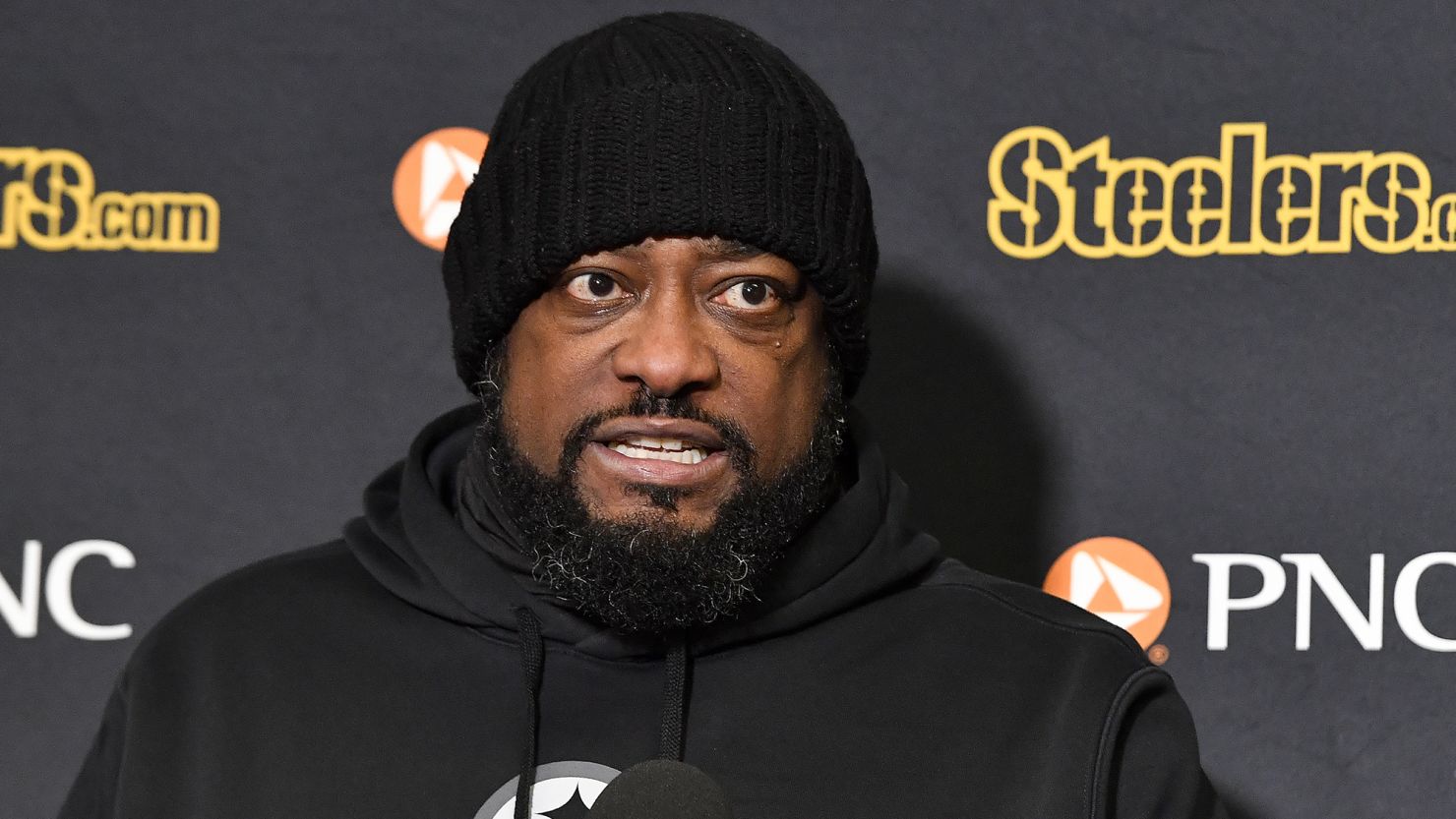
On Monday night in Pittsburgh, the Steelers’ 2025 season came to a disappointing end — and once again, questions about coach Mike Tomlin’s future have taken center stage. The Steelers were defeated 30–6 by the Houston Texans in the AFC Wild Card round, failing to advance in the playoffs and extending a frustrating postseason drought that now reignites debates about leadership in Pittsburgh.
Despite the emotional weight of the defeat, Tomlin wasn’t ready to discuss anything beyond the game itself when reporters asked about his future with the organization. “I’m not even in that mindset as I sit here tonight,” he said, clearly still processing what went wrong on the field rather than contemplating long-term career implications. “I’m more in the mindset of what transpired in this stadium and certainly what we did or didn’t do.”
A Legacy of Consistency — With Increasing Playoff Frustration
Tomlin’s tenure with the Steelers is one of the most enduring in modern NFL history. Hired in 2007, he has never had a losing season in nearly two decades as head coach — a remarkable feat in the league. Yet, that consistency has come at a cost that critics increasingly point to: a lack of postseason success.
That lack of playoff victories has defined the latter years of his Steelers career. The loss to the Texans marked the seventh straight postseason defeat, tying Tomlin with former Bengals coach Marvin Lewis for the longest consecutive playoff loss streak by a head coach in NFL history.
The context of that streak is significant. Steelers fans have not witnessed a playoff victory since 2016, and the team’s inability to break through has left even some of Tomlin’s staunchest supporters frustrated. While the Steelers remain a franchise with a strong identity and a history of toughness, that tradition seems to clash with modern expectations for consistent postseason competitiveness.
The Immediate Aftermath: Silence on the Big Questions
When Tomlin addressed the media after the loss, he chose to focus on the performance rather than the broader implications for his own job security. Asked about his message to Steelers fans, Tomlin stated bluntly that “words are cheap” in the wake of a loss — a sentiment that reflects his no-nonsense approach to coaching but also underscores the silence around what comes next.
Rather than talk about roster changes, coaching staff evaluations, or even his own contract situation, Tomlin acknowledged the Texans’ performance and the Steelers’ failings. He praised Houston’s defense while lamenting Pittsburgh’s inability to build on a close early game, in which the teams were nearly even at halftime before the Texans pulled away.
The Steelers’ offense was largely stifled throughout the night, struggling to generate momentum or find consistency — a narrative that only deepens the questions surrounding Tomlin’s leadership and strategic approach.
Where Tomlin Stands: Contract and Job Security
Tomlin still has time left on his contract, and there’s no indication from the Steelers front office that they plan to move on immediately. Historically, Pittsburgh has prized stability and patience, often giving its coaches latitude to work through downturns rather than making swift changes.
Still, the optics of another early playoff exit have fueled speculation. Fans and media alike are asking whether the Steelers should embrace a new direction — particularly after what feels like repeated postseason disappointment despite regular-season success. Some observers have pointed to recent coaching changes elsewhere in the league as a reminder that no tenure is truly secure, no matter how successful in the regular season.
What makes Tomlin’s situation particularly unique is how rarely Pittsburgh parts ways with coaches. He’s only the third head coach in team history, following Hall of Famer Chuck Noll and Bill Cowher, and has cultivated a strong identity within the organization. But the question now emerges: does long-term stability outweigh the urgent desire to win in January and February?
The Fan Perspective and Broader NFL Context
Fan reactions have been intensely polarized. Some still respect what Tomlin has built — a consistently competitive squad that rarely posts losing records — yet others are frustrated that consistency has not translated into tangible postseason success. The conversation is not just about wins and losses, but about momentum, identity, and direction.
This debate echoes broader trends in the NFL, where long-standing coaching tenures are increasingly rare. Recent high-profile coaching changes across the league have shown that even successful leaders are not immune to scrutiny when playoff results falter.
What’s Next for Tomlin and the Steelers?
For now, Tomlin refuses to be drawn into discussions about whether this was his final game in Pittsburgh. He reiterated that talking about future plans isn’t on his mind immediately after the loss — that such conversations are for another day, once the emotions of the season have settled.
The offseason promises to be a significant one for the Steelers. Decision-makers will evaluate roster needs, coaching strategies, and the broader vision for the franchise. Whether Tomlin remains at the helm — potentially leading the team into the 2026 season — is a question that will hang over every move the organization makes this winter.
Whatever happens next, one thing is clear: Pittsburgh’s season ended not with answers, but with questions — about leadership, performance, and the next chapter of Steelers football