
There is a quiet truth most relationship advice skips. Harmony is rarely built during big conversations. It grows in smaller moments. The lazy Sunday afternoons. The midweek boredom. The shared laugh over something slightly pointless. That is where hobbies come in.
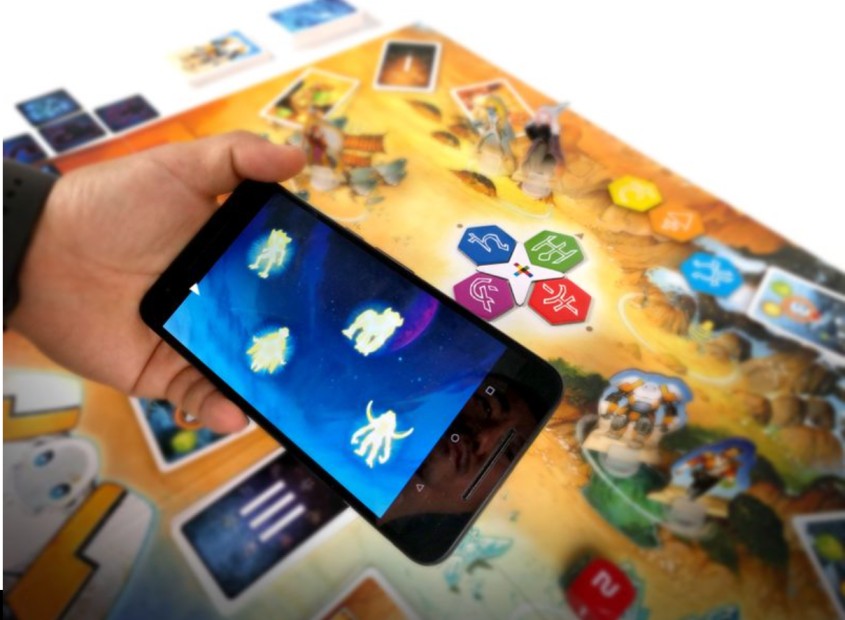
People bond faster when they do something together without pressure. No grand expectations. No forced heart-to-hearts. Just shared attention pointed in the same direction. That could be a dusty board game pulled from a shelf or a phone screen lighting up during a commute.
And yes, mobile apps count. Probably more than ever.
I have seen couples reconnect over Scrabble boards and families stay close through games played hundreds of kilometers apart. One couple I interviewed recently told me their nightly routine now includes a few rounds on a mobile platform they both enjoy. He joked that downloading the parimatch apk india was the most practical relationship decision he made all year. It was said half-seriously, but the point landed.
Shared hobbies are not fluff. They are infrastructure.
Why shared interests actually work
Psychologists have studied this for decades, but you do not need a journal citation to feel it. When two people engage in the same activity, their rhythms align. Conversation flows easier. Silence feels comfortable. Time passes without friction.
Shared hobbies also remove the scorekeeping that ruins many relationships. There is no who-did-more, who-said-what, who-forgot-again. Instead, there is a task, a goal, sometimes a win, sometimes a loss. Both outcomes are useful.
Board games do this beautifully. So do cooperative video games. Even competitive ones, if both sides respect the rules and each other.
What matters is not the hobby itself. It is the shared frame of reference. The inside jokes. The shortcuts. The unspoken understanding that grows over time.
From cardboard boxes to touchscreens
Once upon a time, hobbies were physical by default. Chess sets. Card decks. Puzzles missing one piece. They demanded presence in the same room, at the same table. That has changed. Not disappeared. Changed.
Mobile apps have widened the field. Suddenly, shared hobbies are not limited by geography or schedules. A couple in different cities can play together after work. Friends with kids can reconnect during short breaks. Even parents and teenagers find neutral ground through games.
This shift matters. Modern life is fragmented. People are busy, tired, distracted. A hobby that fits into that reality has a better chance of surviving.
Mobile platforms succeed because they meet people where they already are. On their phones. Waiting. Commuting. Resting. The mistake is thinking these hobbies are shallow. They are not. They are efficient.
The social glue of casual competition
Competition gets a bad reputation in relationships. Often deserved. But when handled lightly, it becomes a bonding tool.
A friendly rivalry creates momentum. It gives people something to talk about besides work stress or daily logistics. It introduces stakes without consequences. Board games have always understood this. So have sports. Mobile apps simply translated it to a smaller screen.
The trick is knowing where the line is. As soon as winning becomes more important than the person sitting across from you, the whole thing collapses. The game stops being glue and turns into friction. But keep it light, keep it playful, and competition does what it’s supposed to do. It pulls focus. It wakes people up. It leaves behind moments you remember later.
I once interviewed a couple who had been married for decades, the kind who finish each other’s sentences without trying. They told me they have one unbreakable rule: no argument survives a game. They sit down, they play it out, someone inevitably loses, someone laughs, and somehow the edge disappears. Not magically, not perfectly. Just enough to breathe again.
Different medium. Same principle.
Choosing the right hobby together
This is where many people go wrong. They assume shared hobbies must be identical passions. That is rarely true.
The best shared activities sit in overlapping comfort zones. Not too boring for one. Not too stressful for the other.
Some guiding questions help:
- Does this activity allow conversation or silence?
- Can it scale with time and energy?
- Is it flexible enough to pause and resume?
Mobile apps often tick all three boxes. Board games too, especially modern ones designed for short sessions.
Avoid hobbies that turn into obligations. If it feels like homework, drop it.
Harmony grows when participation is voluntary and repeatable.
Digital does not mean disconnected
There is still skepticism around screen-based hobbies. The fear is always the same. Screens isolate. Screens replace real interaction.
That fear is outdated.
What isolates people is passive consumption. Endless scrolling. One-sided engagement. Shared digital hobbies are the opposite. They are interactive, responsive, social. A mobile game played together can spark more conversation than an hour of forced small talk. It gives context. It creates shared language.
The medium is not the enemy. Intent matters more.
When people choose to engage together, even through a screen, the connection is real.
Shared hobbies during conflict
Here is something few people talk about. Shared hobbies are most valuable when things are not going well.
During conflict, direct conversation can feel dangerous. Emotions are raw. Words misfire.
A shared activity provides a buffer. It reintroduces cooperation. It shifts focus outward.
You are no longer opponents. You are teammates again, even briefly.
This does not solve everything. But it softens the edges. Often enough, that is what matters.
Generational bridges and unexpected bonds
Shared hobbies also work across age gaps. Parents and kids. Siblings. Colleagues.
Board games have always played this role. Mobile apps now extend it.
I have seen grandparents learn apps just to stay connected with grandchildren. I have seen coworkers bond over a shared game more effectively than any team-building exercise.
These activities create neutral ground. No hierarchy. No authority. Just players.
That equality builds respect.
When hobbies become identity
There is a moment when a shared hobby stops being an activity and starts being part of a relationship’s identity.
- We are the couple who plays this game.
- We are the family who does game night.
- We are the friends who always compete.
That identity strengthens bonds. It creates continuity. It gives people something to return to during change.
Life shifts. Jobs change. Cities change. People grow older. Shared hobbies provide a throughline.
Final thoughts from someone who has seen it work
Harmony is not about perfection. It is about maintenance. Shared hobbies are maintenance tools. Simple ones. Effective ones.
They do not require deep analysis or emotional labor. They ask for time and presence. Often just a few minutes. From board games on a kitchen table to mobile apps on a late train, the form does not matter. The act does. Find something you can enjoy together without overthinking it. Let it be imperfect. Let it evolve.
Connection does not need to be dramatic. Sometimes it just needs to be shared.