
Key Takeaways
- Ceramic coatings provide robust protection against minor scratches and swirl marks, but are not a cure-all for deep gouges or rock chips.
- Proper application and ongoing maintenance are essential to maximize the benefits of ceramic coatings.
- Ceramic coatings surpass traditional waxing in terms of durability and longevity, making them a popular choice among car owners.
Understanding Ceramic Coating
Ceramic coating is a liquid polymer designed to protect your vehicle’s factory paint by chemically bonding to its surface. When expertly applied, it forms an additional layer of protection that not only shields your car from contaminants but also enhances its overall gloss. If you’re looking for ceramic coating for cars in Newport News, VA, it’s essential to understand what ceramic coating is and what it can do for your vehicle’s exterior.
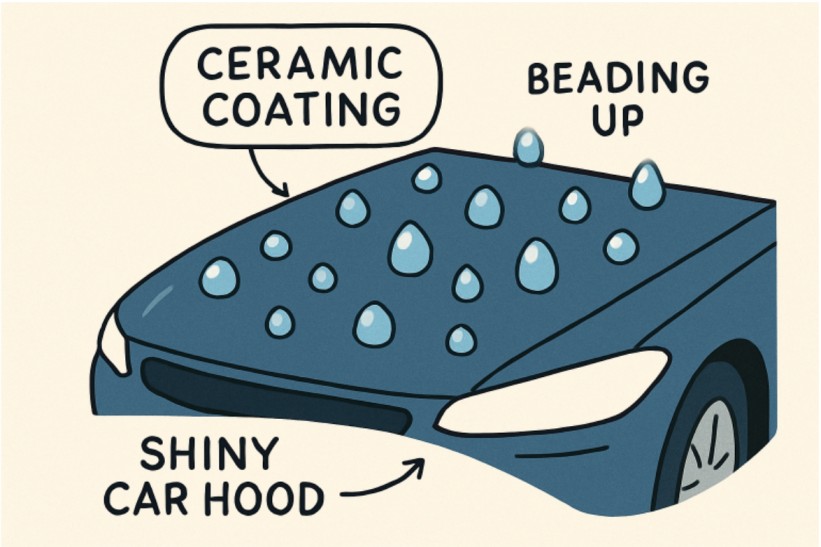
The key advantage of ceramic coating is its ability to repel water, dirt, and many road-based contaminants while delivering a deep shine and gloss. This makes routine cleaning easier and lowers the risk of swirl marks that commonly result from regular washing or environmental exposure.
How Scratches and Swirl Marks Occur
Scratches and swirl marks are nearly inevitable for vehicles exposed to the elements, regular washing, and occasional mishandling. Fine lines can appear on the paint’s surface due to abrasive dirt, improper drying towels, or automatic car washes that use harsh brushes. Over time, these small imperfections dull a vehicle’s appearance and may even lower its resale value.
Everyday activities, such as brushing up against the car with a bag or using a dirty microfiber towel, can introduce new marks. Even dust or pollen particles can act as abrasives under certain conditions, causing minute scratches that gradually accumulate.
Protective Properties of Ceramic Coating
While some believe ceramic coatings are a magic shield against all physical damage, the reality is they are primarily engineered to guard against minor abrasions, light scratches, and swirl marks. The coating often achieves a hardness of up to 9H on the pencil hardness scale, making it significantly tougher than paint alone. This increased hardness allows the coated surface to resist small scratches that might occur during washing or contact with fine debris.
Additionally, the hydrophobic qualities of ceramic coatings ensure that water, road salt, and contaminants easily slide off the surface. By making ordinary cleaning less abrasive, this property reduces the likelihood of micro-marring and swirling, crucial for maintaining your vehicle’s showroom look.
Limitations of Ceramic Coating
Ceramic coatings are not invincible. They cannot prevent deep scratches caused by sharp objects, rock chips from highway driving, or major impacts. The protective layer is incredibly thin—typically a few microns thick—and is best viewed as an advanced sacrificial barrier. Even with a search for automotive ceramic coating near me, it’s essential to acknowledge that accidental scrapes, parking lot mishaps, or severe weather conditions may still damage the underlying paint finish.
Understanding these limitations is important so car owners maintain realistic expectations. Although ceramic coatings outperform wax and sealants, employing careful washing techniques and avoiding hazardous parking conditions remains crucial for long-term paint preservation.
Comparing Ceramic Coating to Traditional Waxing
Traditional waxing has been a go-to for decades as a basic vehicle protection method. Wax provides a short-lived barrier—often lasting a few weeks or months, depending on exposure to sun, rain, and contaminants. While affordable and readily available, wax lacks the chemical durability and hardness that modern ceramic coatings deliver.
By contrast, a professionally applied ceramic coating can last several years, reducing the frequency of maintenance and providing a higher level of gloss and protection. For many car owners seeking a “set it and forget it” solution with long-term benefits, ceramic coating has become the superior choice, as noted by industry experts and automotive publications alike.
Maintenance and Care for Ceramic-Coated Vehicles
To ensure your vehicle receives the maximum benefit from a ceramic coat, ongoing care remains critical. Always use the two-bucket method for washing, paired with high-quality microfiber towels to minimize the risk of inadvertently introducing swirl marks. Avoid automatic car washes with abrasive brushes. Instead, opt for touchless or hand washing performed at regular intervals.
Inspect the coating periodically for visible weaknesses or water beading loss—these can be early indicators that it’s time to reapply or refresh the protective layer. Although routine waxing is no longer needed, gentle maintenance and awareness of environmental risks will help your coating—and your paint—last much longer.
Professional Application vs. DIY Kits
There are two primary routes for applying ceramic coating: professional services and DIY kits. While DIY kits can produce satisfactory results for enthusiasts with experience, a professional application ensures that the paint is meticulously prepared and the coating is evenly applied. Any surface flaws overlooked during the preparation phase will be sealed under the coating. Professionals use special tools and lighting to ensure that the finish is perfect before sealing it.
Investing in professional installation maximizes the longevity and overall visual effect of the ceramic coating. For vehicle owners who are particular about appearance and protection, seeking expert services is usually the best option.
Final Thoughts
Ceramic coatings are a modern advancement in automotive care, offering reliable protection from minor scratches, swirl marks, and environmental pollutants. Their hydrophobic and durable nature sets them apart from traditional waxes, providing years of shine and defense with proper care. However, they are not invulnerable to all forms of damage, so a balanced approach that includes careful maintenance and professional expertise yields the best results. With the right ceramic coating and regular maintenance, you can protect and enhance your vehicle’s exterior over the long term.